Plan your Estonian Christmas budget wisely. Enjoy traditions, smart shopping and festive celebrations without January debt.
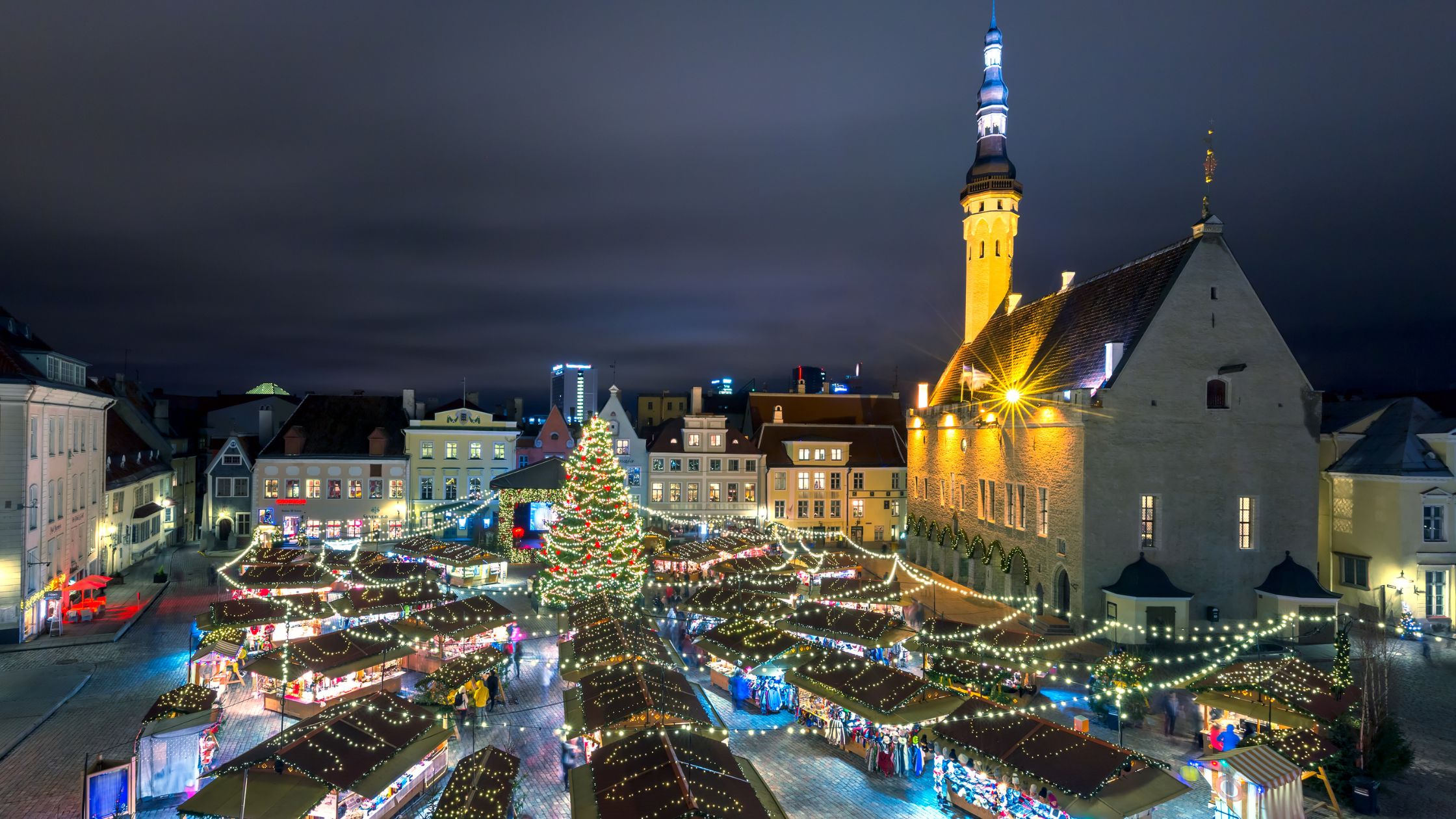
How to budget for Christmas in Estonia and celebrate the new year without debt
The festive season brings joy, tradition, and togetherness – but it can also bring financial stress if not managed carefully.
For Estonian households, Christmas represents a significant expense period, with traditions ranging from the elaborate jõululaud (Christmas table) to gift-giving and festive decorations.
However, with thoughtful planning and smart strategies, you can enjoy all the warmth of Estonian Christmas customs and traditions without starting the new year burdened by debt.
Understanding Christmas spending in Estonia
Estonian households have historically been generous during the Christmas season.
Research shows that Estonians plan to spend approximately 30% of their disposable monthly household income on festive shopping, equating to roughly €290. More recent data reveals that nearly one-third of Estonian residents plan to spend €100-200 on gifts, with 21% budgeting over €200. Given that the average monthly net salary in Estonia is approximately €1,467, this represents a substantial financial commitment.
The reality is stark: over half of Estonian residents feel financial pressure during the holiday period, particularly those aged 40-49 and households with lower incomes. As many as 83% of respondents with income below €350 and 75% of those earning €350-550 feel this pressure acutely.
However, recent economic conditions have shifted shopping behaviours. Uncertainty in the economy has impacted Christmas shopping, with consumers becoming increasingly price-sensitive due to inflation. S
tore managers predict that whilst people will continue to celebrate, they may opt for cheaper items or purchase one gift instead of two.
Create a comprehensive Christmas budget
The foundation of stress-free holiday spending is a detailed budget that accounts for all festive expenses, not just gifts.
Calculate your total holiday budget
Start by reviewing your monthly income and regular expenses.
According to LHV’s holiday budgeting advice, you should first prepare a gift budget and write down everyone you’re planning to buy for. The data shows that over one-third of Estonians give gifts to more than five people, whilst 30% also give gifts to colleagues and business partners.
However, gifts are just one component. Your Christmas budget should include:
Gift Expenses:
- Family members
- Children’s teachers and caregivers
- Friends and colleagues
- Secret Santa or workplace gift exchanges
Importantly, 22% of Estonian residents use previously saved money for Christmas shopping, whilst 69% buy from their existing bank account balance. Only 4% plan to use credit cards and 1% borrow money – sensible restraint that helps avoid post-holiday debt.
Food and Beverage Costs: Traditional Estonian Christmas foods can be expensive. Your jõululaud might include:
- Pork or poultry (duck, goose)
- Blood sausage (verivorst) and liver pâté
- Sauerkraut and oven-roasted potatoes
- Gingerbread (piparkoogid) ingredients
- Christmas barrow bread and seven to twelve different meals following tradition
- Tangerines and mixed nuts
- Home-brewed ale or mead (traditionally), modern wines and spirits
Entertainment and Activities:
- Christmas market visits
- Children’s Christmas events at school or nursery
- Holiday parties with friends or colleagues
- Travel to visit relatives
Decorations and Household:
- Christmas tree
- Decorations and lights
- Candles
- Cards and wrapping materials
Utility Increases: Given that basic utilities for a 915 sq ft apartment in Estonia average €262.71 monthly, expect your heating costs to rise during the cold December period.
Set realistic spending limits
Once you’ve identified all expense categories, assign specific amounts to each. Be honest about what you can afford without resorting to credit. If your calculations exceed your available funds, it’s time to make adjustments before you start spending, not after.
Smart shopping strategies for Estonian Christmas markets
Take advantage of Black Friday and sales periods
Black Friday has become a major shopping event in Estonia, with online shop turnover spiking by 2.5 times normal volume. Falling on the last Friday of November, Black Friday marks an ideal time to tackle Christmas shopping – a third of Black Friday purchases in Estonia are Christmas-related.
Key facts about Black Friday in Estonia:
- Electronics see discounts up to 30%, followed by apparel (25%) and home goods (20%)
- Online stores offering at least 30% off had very strong results
- 71% of shoppers buy online compared to 29% in-store
- Peak shopping hours are 09:00-11:00
- Sales often extend throughout the week
Estonia also has its own homegrown alternative: E-smaspäev (E-Monday), organised by the Estonian E-Commerce Association. This 24-hour sale consolidates deals from 280 online stores on a single page, offering efficiency that Estonian consumers appreciate.
Important timing note: Following Black Friday, orders from outside the EU are unlikely to reach Estonia in time for Christmas. For domestic orders, avoid leaving shopping until the week before Christmas.
Shop local, shop smart
Estonia has a rich tradition of craftsmanship. Consider these options:
- Visit local Christmas markets in Tallinn or Tartu for unique, handmade gifts
- Support Estonian producers for food items – they often offer excellent quality at competitive prices
- Compare prices across major retailers like Rimi, Selver, and Maxima before making large purchases
Online vs in-store shopping
Despite Estonia’s reputation as an e-state, interestingly, only 9% of general Christmas purchases are conducted online according to older data. However, Estonia’s e-commerce sector revenue grew by 18% year-on-year to reach €5.4 billion in 2024, accounting for 25% of the country’s total trade turnover.
Estonian online shopping preferences:
- Estonians ordered 17 million parcels to parcel machines in 2024, a 14% increase
- 80% of purchases are ordered to automated pick-up lockers
- 72% of parcels come from domestic sources, 28% are cross-border
- More than half of online shoppers (53%) prefer using a smartphone
Online shopping advantages:
- Easy price comparison
- Avoiding impulse purchases from in-store marketing
- Time savings
- Access to international deals and broader selection
Parcel machine tip: Packages are collected within 24 hours on average, with a maximum retention period of 7 days. Pick up parcels promptly during the busy December period to keep parcel machines available for others.
Avoid impulse buying
When visiting shopping centres like Ülemiste or browsing online, stick to your list. As retailers note, prices of seasonal products have increased due to inflation. Making focused purchases rather than wandering aimlessly helps avoid unnecessary spending.
Research shows that 35% of Black Friday shoppers admitted to buying items not on their planned list due to aggressive discounts. Staying disciplined helps avoid buyer’s remorse and unnecessary debt.
Meaningful gift-giving on a budget
What Estonians really want for Christmas
Before rushing to buy expensive gifts, consider what Estonian residents actually value:
- 42% say gifts aren’t important – they prefer attention and care
- 43% value simply spending time with family
- 50% prefer something practical
- 39% would like a surprise or an experience
- 9% don’t want gifts at all
As financial expert Tarmo Ulla from Swedbank notes, “We could all learn a lesson from this survey and invest more in our time and care this Christmas, rather than filling gift bags with great fanfare. Remembering that the greatest gift of the holiday season is time spent together, we can reduce the financial pressure that comes with shopping.”
Books: Estonia’s favourite gift
Books remain the most popular Christmas gift in Estonia at 22%, followed by toys at 15%. This preference presents an excellent budgeting opportunity, as books can be:
- Found second-hand at excellent quality
- Purchased during book sales
- More affordable than many alternatives
- Meaningful and lasting
Consider alternative gift options
LHV recommends asking loved ones what they would most enjoy before planning gifts. This prevents wasteful spending on unwanted items. Consider:
Experience Gifts:
- Tickets to concerts, theatre, or sporting events
- Gift vouchers for restaurants or spa treatments
- Classes or workshops (cooking, art, language)
- Day trips or adventure activities
Homemade Gifts: Following Estonian Christmas traditions, homemade items can be deeply meaningful. Interestingly, 3% of Estonian residents don’t spend money on gifts at all – they make gifts themselves.
Traditional homemade gift ideas:
- Baked goods (piparkoogid, saffron bread, kringel)
- Knitted items
- Preserves or homemade liqueurs
- Handcrafted decorations
- Christmas crowns (jõulukroon), a traditional Estonian decoration
Financial Gifts: LHV suggests giving the gift of financial wisdom through investment books or seminar tickets. For young people, consider contributing to their future with shares or savings bonds.
Set per-person limits
Based on the spending data showing that 29% of Estonians budget €100-200 for all Christmas gifts, establish realistic spending limits for different categories:
- Immediate family: €30-50 per person
- Extended family: €15-25 per person
- Children’s teachers: €10-15
- Colleagues: €10-20
- Friends: €20-30
Adjust these amounts based on your total budget. Remember that people in their forties with households of more than four members typically spend the most, as children experience the greatest joy from gifts. Communicate limits with extended family to avoid mismatched expectations.
Managing food costs for the traditional Christmas table
Plan your menu carefully
Traditional Estonian Christmas foods are rich and elaborate. According to tradition, seven to twelve different meals were served on Christmas Night, and having plenty of Christmas food symbolically meant enough food for the whole coming year.
However, you don’t need to prepare everything. Focus on your family’s favourites rather than attempting every traditional dish. The traditional Estonian Christmas food is pork with sauerkraut and blood sausage, along with special Christmas bread called Christmas barrow.
Shop strategically for ingredients
The rise in raw material costs has made some Christmas products costlier. Combat this by:
- Buying non-perishables in November when prices may be lower
- Choosing gingerbread over chocolate (cocoa and sugar prices have increased significantly)
- Comparing prices per kilogram at different stores
- Buying in bulk for items like potatoes, vegetables, and grains
- Considering less expensive cuts of pork or chicken instead of premium options
- Brewing your own mead or ale if you have the skills (traditionally the most popular Christmas drinks)
Host potluck gatherings
If you’re hosting Christmas gatherings beyond your immediate family, consider asking guests to bring dishes. This Estonian tradition of sharing eases the financial and logistical burden on the host whilst allowing everyone to contribute their specialties.
Traditional customs that reduce costs
Estonian Christmas Eve traditions included customs that are actually budget-friendly:
- Christmas food had to remain on the table for the whole night as part of ancestor worship – meaning you don’t need fresh meals daily
- Domestic animals in the barn were offered Christmas bread – simple sharing of basic foods
- From 26 December on, relatives and neighbours were visited, spreading the celebration across multiple households rather than one household bearing all costs
Navigate Estonian Christmas traditions without overspending
Understanding the Estonian Christmas season
Estonian Christmas traditions are rooted in ancient customs. The word jõulud comes from the Old Scandinavian jul, making Estonia and Scandinavia the only areas in present Europe where Christ’s birth is still marked by the pre-Christian word.
Traditionally, Christmas time began on St Thomas’s Day (21 December) and lasted until Epiphany (6 January). The most important event was Christmas Eve on 24 December, when the Estonian Santa Claus (jõuluvana) visits homes. Unlike many Western countries where Christmas Day is primary, Estonia’s main celebration falls on Christmas Eve.
The sauna tradition
Taking a bath in the sauna on Christmas Eve is a very old and important Estonian tradition. Families traditionally visit the sauna after preparing the house for festivities, before attending Christmas Eve church services. This costs nothing beyond your regular heating expenses and connects families to centuries of tradition.
The Christmas tree and decorations
The Christmas tree tradition came to Estonia from Germanic culture in the mid-19th century. Estonians adopted the custom from the local German-speaking population in towns, whilst the Baltic-German aristocracy spread it to the countryside.
Rather than purchasing elaborate new decorations every year:
- Buy trees from local sellers rather than premium locations (often €10-20 cheaper)
- Purchase on 23 December when prices drop
- Make simple decorations with children following traditional methods
- Consider making Christmas crowns (jõulukroon), which experienced a revival in the 1970s
LHV advises checking your existing Christmas decorations before buying new ones – protecting both your wallet and the environment.
Christmas straw and traditional decorations
One of Estonia’s most important peasant traditions was bringing Christmas straw into the home. Although connected with the biblical nativity story, this tradition might be of pre-Christian pagan origin. The straw brought blessings and good health, softened footsteps (as spirits liked quiet), and became a playground for children.
This tradition disappeared around 1900 but experienced a revival in the 1970s. Using straw or making traditional decorations costs very little but connects your family to authentic Estonian heritage.
Christmas Peace declaration
Each year on 24 December, the mayor of Tallinn declares Christmas Peace from the balcony of the medieval city hall. This 350-year-old tradition began in the seventeenth century by order of Queen Kristina of Sweden and reminds Estonians of the season’s deeper meaning – one that requires no spending at all.
Advent calendar alternatives
The tradition of placing gifts in children’s slippers from 1 December to 24 December can add up quickly. Instead of daily purchases:
- Fill with homemade treats
- Use affordable sweets bought in bulk
- Include notes with activities rather than physical gifts
- Alternate between treats and small items
Free traditions: church services and candles
Despite Christmas being banned during Soviet occupation, many Estonians participated in Christmas Eve church services. Attending these services was followed by lighting candles on relatives’ graves – a peaceful nationwide protest against Soviet ideology.
Today, attending Christmas services and visiting cemeteries with candles remains a meaningful, virtually cost-free tradition that connects Estonians to their heritage and departed loved ones.
Embrace mindful celebration
Estonian Christmas traditions emphasise the magic and mysticism combined with the sacred and spiritual. From 26 December onwards, the tradition is visiting relatives, friends, and neighbours – connection that costs nothing but time.
During the Soviet era when Christmas was officially banned, Estonians celebrated privately with family and close friends, proving that the essence of Christmas transcends material goods. Focus on:
- Quality time rather than expensive outings
- Family traditions that cost nothing
- Visiting the sauna together
- Pre-Christmas celebrations (väike jõulud) with colleagues featuring mulled wine
- Appreciating what you have rather than accumulating more
Tracking and controlling your spending
Use modern tools
Take advantage of banking apps to monitor your spending in real time. Most Estonian banks offer:
- Spending categorisation
- Budget tracking features
- Instant notifications for purchases
LHV emphasises the importance of tracking spending as soon as purchases are made, allowing you to stay on top of your budget and make adjustments if needed.
Review your budget weekly
Set aside time each week in December to review:
- What you’ve spent so far
- What remains in each category
- Whether adjustments are needed
- Upcoming expenses
This prevents the shock of discovering you’ve overspent only when January bills arrive.
Keep all receipts
Maintain physical or digital receipts for:
- Warranty purposes
- Purchase insurance claims (if your bank card offers this)
- Accurate budget tracking
- Potential returns or exchanges
Avoiding common debt traps
Resist Buy Now, Pay Later schemes
Estonians are increasingly willing to pay in instalments, with Buy Now, Pay Later spending increasing 8.8% year-on-year globally. However, whilst instalment payment options seem attractive during expensive months, they:
- Often carry high interest rates
- Extend debt into the new year
- Can accumulate quickly if used for multiple purchases
- Make it difficult to track actual spending
Remember that only 4% of Estonians plan to use credit cards for Christmas shopping, and just 1% borrow money – sensible restraint worth following.
Think twice about credit cards
If you must use a credit card for Christmas purchases, ensure you can pay off the full balance when the statement arrives. Credit card debt typically carries interest rates of 15-20% annually in Estonia, making that €50 gift cost significantly more by the time you’ve paid it off.
Understand payment holidays
Be cautious about offers to defer loan or mortgage payments. As noted by the Financial Supervision Authority, payment holidays should be used only in genuine financial difficulty, not to free up cash for Christmas shopping. Interest continues to accrue during these periods, ultimately increasing your debt.
Consider the total cost
Before any purchase, calculate:
- The item’s full price including any fees
- How many hours you must work to afford it
- Whether cheaper alternatives exist
- If the recipient will genuinely use and appreciate it
Plan for January and beyond
Build an emergency fund
If Christmas spending has depleted your savings, prioritise rebuilding it in January. Even €20-30 monthly contributions create a buffer for next Christmas.
Start a Christmas savings account
In January, open a dedicated savings account for next Christmas. If you save €25 monthly, you’ll have €300 by December – enough to cover festive expenses without stress.
Review this year’s spending
After the holidays, analyse:
- What went well in your budget
- Where you overspent
- Which purchases were worthwhile
- What you’ll do differently next year
Document these insights so you can refer to them when planning for Christmas 2026.
Consider a seasonal job
If January brings financial strain, explore opportunities to earn extra income. Many retailers, delivery services, and hospitality businesses seek temporary staff in early winter for sales periods and year-end events.
Make the most of Estonian resources
Seek professional advice
If you’re struggling with holiday debt or financial planning, Estonian banks and financial institutions offer resources:
- Free financial counselling
- Budgeting workshops
- Debt consolidation options
Don’t hesitate to seek help early rather than allowing debt to accumulate.
Understand your rights
Estonian consumer protection laws ensure:
- 14-day return periods for online purchases
- Warranty rights on goods
- Protection against unfair trading practices
Know your rights to make informed purchasing decisions and seek recourse if needed.
Embrace the true spirit of Estonian Christmas
The beauty of Estonian Christmas traditions lies not in expensive gifts or elaborate displays, but in warmth, togetherness, and reflection. The word jõulud predates Christianity, originating from the celebration of winter solstice when “the sun was laying in the nest” and people celebrated the Sun’s birthday.
From the declaration of Christmas Peace by Tallinn’s mayor to the tradition of visiting the sauna, from bringing Christmas straw into homes to lighting candles on graves, these customs remind us that the most meaningful aspects of the season cost nothing at all.
Even during Soviet occupation when Christmas was banned, Estonians continued celebrating privately, proving that the essence of jõulud transcends material goods and government restrictions. By taking time to visit relatives, share stories around the Christmas table, and appreciate simple traditions, you’ll create lasting memories without the financial burden.
Conclusion: A debt-free new year starts with planning
Christmas 2025 can be both joyful and financially responsible for Estonian households. The key is starting early with a comprehensive budget, making conscious spending decisions, and embracing traditions that emphasise connection over consumption.
Remember that economic uncertainty affects everyone, and over half of Estonian residents feel financial pressure during the holiday period – there’s no shame in scaling back or choosing budget-friendly options. As Swedbank’s research reveals, 42% of Estonians say gifts aren’t important – they prefer attention and care, whilst 43% value simply spending time with family.
Your loved ones will appreciate thoughtful gestures regardless of their price tag. As you prepare for the festive season, keep in mind that the goal isn’t to eliminate Christmas spending entirely, but to celebrate in a way that brings joy now without creating stress later. With careful planning, smart use of Black Friday deals, and a focus on what truly matters, you can enjoy all the magic of an Estonian Christmas whilst stepping into the new year financially confident and debt-free.
Häid jõule! (Merry Christmas!)