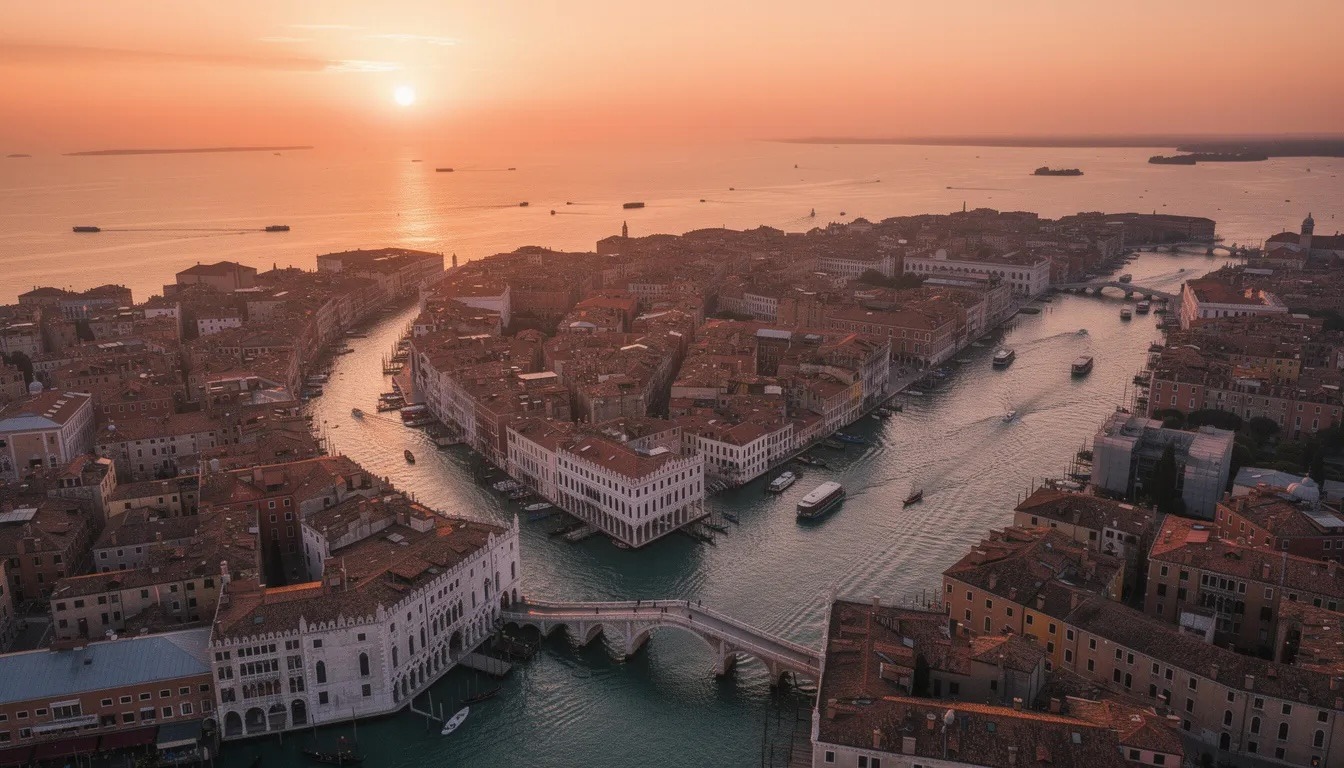
Venice travel guide from Estonia: flights, accommodation, itineraries & travel tips
Venice stands alone among European destinations.
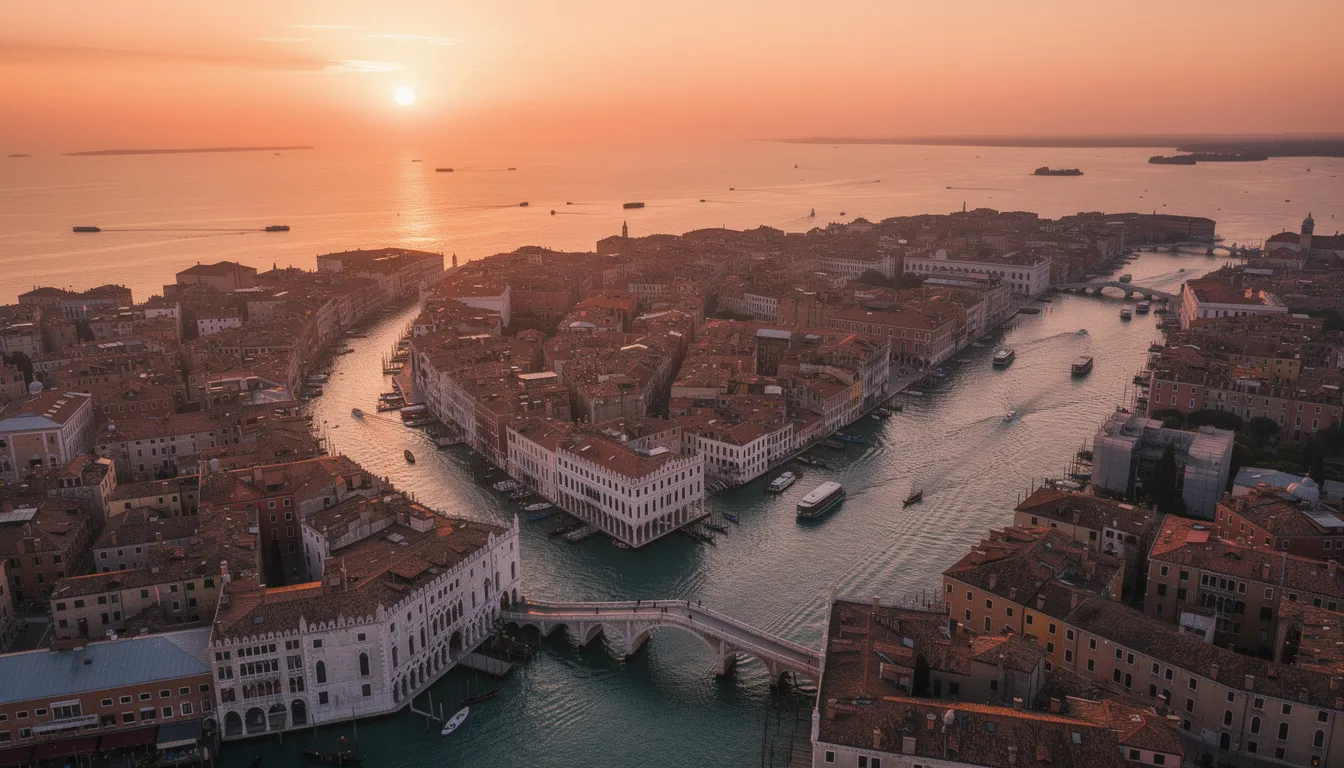
Built across 118 small islands in a coastal lagoon, connected by over 400 bridges spanning 150 canals, this car-free city in northeastern Italy has captivated travelers for centuries.
From the grandeur of Piazza San Marco to the elegant arches of the Rialto Bridge, from the shimmering waters of the Grand Canal to the ornate halls of Doge’s Palace, visiting Venice offers an experience you simply cannot replicate anywhere else on Earth.
This guide will cover practical flight options from Tallinn, smart transport choices, accommodation booking strategies via Booking.com, and a realistic 3–4 day itinerary that balances must-see highlights with quieter discoveries. Whether this is your first visit or a return to la Serenissima, our goal is to help you get maximum value from your trip.
Venice faces real challenges from over tourism and environmental pressures.
The Venetian lagoon ecosystem requires protection, and the city benefits most from visitors who stay longer and spend more mindfully rather than rushing through on brief day trips. We encourage you to plan at least 3–4 nights to truly experience what makes this place extraordinary.
How to Get From Estonia to Venice
Getting from Estonia to Venice requires a connection flight, as no direct routes currently operate between Tallinn and either of Venice’s airports. However, several practical options exist depending on your budget, schedule, and flexibility.
Flight Options from Tallinn (TLL):
airBaltic via Riga (RIX): The most convenient option for many Estonians. Riga is just a short hop from Tallinn, and airBaltic operates regular connections to Venice Marco Polo (VCE). Total journey time typically runs 4.5–6 hours including the layover. Round-trip fares range from €150–350 depending on season and booking timing.
Lufthansa via Frankfurt or Munich: Reliable connections through major German hubs. Slightly longer layovers but excellent punctuality. Expect €200–400 round-trip in economy.
LOT Polish Airlines via Warsaw: Competitive pricing and decent connections. Total travel time around 5–6 hours with typical fares of €180–320.
Finnair via Helsinki: Premium option with smooth connections. Good for those prioritizing comfort over cost, typically €250–400 round-trip.
Ryanair/Wizz Air to Treviso (TSF): Budget carriers often fly via other countries to Venice’s secondary airport. These require creative routing but can drop prices significantly—sometimes as low as €80–150 round-trip if you’re flexible.
From Tartu: Your options funnel through Tallinn or Riga. The Tallinn-Tartu bus or train connection adds 2–3 hours to your journey, so factor this into your planning.
Two Airports to Understand:
Airport | Code | Distance to Venice | Best for |
|---|---|---|---|
Marco Polo | VCE | ~13 km (on lagoon edge) | Most travellers, easier access |
Treviso | TSF | ~40 km (mainland) | Budget airlines, requires bus transfer |
Marco Polo offers direct water connections to the historic center, making it the smoother choice despite sometimes higher ticket prices. Treviso serves low-cost carriers but adds 40–70 minutes of bus travel before you even reach the lagoon.
Seasonal Price Differences:
High season (July–August, Christmas, Easter): Expect to pay 30–50% more for flights. A summer weekend round-trip might run €280–400.
Shoulder season (April–May, September–October): Better deals, €180–280 typical.
Low season (November–March, excluding holidays): Cheapest flights, sometimes €120–200 round-trip, though weather is cooler and acqua alta more likely.
MoneyHub Mindset Tips:
Book 6–8 weeks ahead for optimal pricing
Use flexible date searches to spot cheaper departure days
Avoid Estonian school holiday periods when demand spikes
Factor in baggage fees and seat selection on low-cost carriers—these hidden costs can add €30–60 each way
Budget Alternative: Some extremely price-conscious travellers take a bus from Tallinn to Riga or Vilnius, then catch a cheap Ryanair or Wizz Air flight onward. Total travel time stretches to 10–16 hours, so weigh the savings against your time and energy.
Arriving in Venice: From Airport to Lagoon
Your first moments after landing set the tone for your Venice experience. Understanding your transport options prevents overpaying and reduces stress.
From Marco Polo Airport (VCE)
Marco Polo sits on the lagoon’s edge, offering both land and water routes into the city.
Alilaguna Waterbus Lines: The scenic introduction to Venice. Three main lines serve different areas:
Blue Line (Blu): Stops at Murano, Fondamente Nove, San Marco
Orange Line (Arancio): Reaches Rialto and Madonna dell’Orto via Grand Canal
Red Line (Rosso): Serves Giudecca and Zattere
Journey time runs 45–75 minutes depending on your destination. One-way tickets cost approximately €15, with return tickets at €27. You’ll find ticket counters in the arrivals hall.
ACTV Bus (Line 5) and ATVO Express: Faster and cheaper if you’re heading to Piazzale Roma (the bus terminal at the edge of Venice proper). The journey takes 20–30 minutes, with tickets around €8–10. From Piazzale Roma, you can walk or catch a vaporetto to your accommodation.
Private Water Taxi: Door-to-door luxury that costs accordingly. Expect €100–120 for a taxi from Marco Polo to central Venice. This makes sense only for late-night arrivals, groups of 4–6 splitting the cost, or when you have mobility issues and heavy luggage.
From Treviso Airport (TSF)
Treviso serves budget carriers but requires more ground transport.
ATVO and Barzi Bus Services: Regular coaches connect TSF to Venice Mestre (mainland train station) and Piazzale Roma. Journey time is 40–70 minutes depending on traffic. Tickets cost €12–16 one-way. Book online for slight discounts.
Practical Arrival Flow:
Exit arrivals and locate bus ticket counters or machines
Purchase ticket to “Venezia Piazzale Roma” (not just “Mestre” unless staying on mainland)
Validate ticket when boarding
Disembark at Piazzale Roma for vaporetto connections or walking to your hotel
First-Timer Advice: Avoid arriving after 10 PM if possible. Navigating Venice’s bridges and narrow alleys with luggage becomes genuinely challenging in darkness, especially when you’re unfamiliar with the layout. Many locals recommend arriving by early evening to settle in before dark.
Where to Stay in Venice (Book Smart via Booking.com)
Venice divides into six sestieri (districts), plus nearby islands and the mainland option of Mestre. Each area offers different advantages for Estonian travellers balancing budget, convenience, and atmosphere.
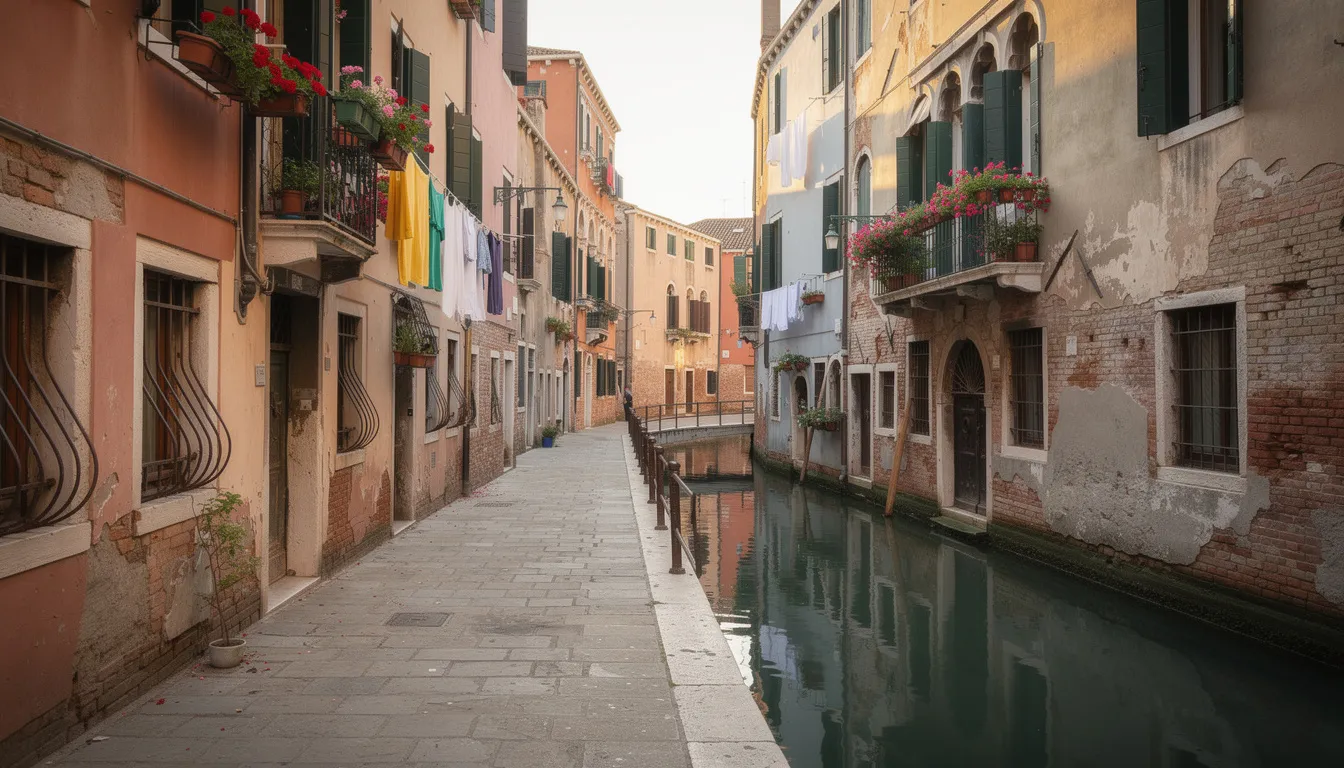
The Six Sestieri
San Marco: The heart of tourist Venice, steps from the Basilica and Palazzo Ducale. You’re at the epicenter of the city’s history—but you’ll pay premium prices and face constant crowds. Best for those who prioritize location above all else and don’t mind busy surroundings.
Dorsoduro: An artsy, slightly bohemian district home to the Gallerie dell’Accademia and the Peggy Guggenheim Collection. Quieter evenings, student energy around Campo Santa Margherita, and excellent restaurants. Great middle ground between price and atmosphere.
Cannaregio: The most residential of the central sestieri. Excellent value for money, authentic neighborhood feel, good food options away from tourist menus. Convenient for the train station (Ferrovia) and Fondamenta Nove ferry terminal for island trips.
Castello: Largest sestiere, stretching from San Marco to the eastern lagoon. Mix of touristy and genuinely local areas. Near the Biennale grounds and Arsenale (former shipyards). Good for those seeking calm and greenery in Giardini della Biennale.
San Polo & Santa Croce: Central but slightly less hectic than San Marco. San Polo hosts the famous Rialto Market and many bacari (wine bars). Santa Croce connects to Piazzale Roma and the train station, making arrivals and departures smooth.
Mestre (Mainland): Significantly cheaper accommodation—sometimes 40–50% less than the islands. Trade-off is a 15–25 minute tram or train ride to reach Venice proper. Good for budget-conscious families or those comfortable with commuting.
Booking Smart via Booking.com
When comparing options on Booking.com, use these filters strategically:
Free cancellation: Essential for flexibility if plans change
Breakfast included: Saves €10–15 per person daily
Near vaporetto stop: Critical for accessibility
Family rooms: If travelling with children
Use the map view to check walking distances from your potential hotel to key vaporetto stops like Rialto, San Marco, Zattere, or Ferrovia. A property that seems cheaper might cost more in time and vaporetto tickets if poorly located.
Price Expectations
Area | Low Season (€/night) | High Season (€/night) |
|---|---|---|
San Marco | €150–300 | €250–500+ |
Dorsoduro/Cannaregio | €100–180 | €150–280 |
Castello | €80–150 | €130–220 |
San Polo/Santa Croce | €90–160 | €140–240 |
Mestre | €50–90 | €80–140 |
Tourist Tax Note: Venice charges a city tourist tax per person per night (typically €2–5 depending on hotel category and season). This is usually paid directly at the property. Check your Booking.com listing for details and include it in your cost comparison.
What to See and Do in Venice (3–4 Day Outline)
A 3–4 day visit allows you to experience both the iconic highlights and the quieter corners that make Venice genuinely special. This itinerary balances must-sees with island escapes and local neighborhood exploration.
Day 1: San Marco, Doge’s Palace & Grand Canal
Morning: Piazza San Marco
Start early—ideally by 8:30 AM—to experience Mark’s Square before tour groups arrive en masse. This sweeping piazza, which Napoleon allegedly called “the finest drawing room in Europe,” hosts Venice’s most concentrated collection of architectural treasures.
St. Mark’s Basilica: The Byzantine-influenced church glittering with gold mosaics. Free entry to the main nave, but the Pala d’Oro altar and museum require tickets. Book skip-the-line entry online to avoid queues that can stretch to 90 minutes in peak season.
Campanile (Bell Tower): The 99-meter tower offers panoramic lagoon views. Elevator access makes it accessible. €10 entry, with morning light best for photography.
Clock Tower (Torre dell’Orologio): Admire the exterior’s astronomical clock—one of the earliest in Europe.
Late Morning: Doge’s Palace (Palazzo Ducale)
The seat of the great council that governed the venetian republic for over 1,000 years, Palazzo Ducale is among Venice’s most important landmarks. Allow 2–3 hours for a proper visit.
Standard tickets run approximately €30 and include the adjacent prisons connected by the Bridge of Sighs
The “Secret Itineraries” tour reveals hidden chambers, Casanova’s cell, and government secrets—worth the €28 supplement for history enthusiasts
Book tickets online in advance; same-day queues can consume a few hours in summer
Afternoon: Riva degli Schiavoni & Grand Canal
Stroll the waterfront promenade with views toward San Giorgio Maggiore island and the church designed by Palladio. It’s crowded but undeniably iconic.
Late afternoon, take vaporetto Line 1 from San Zaccaria toward Piazzale Roma. This 45-minute slow ride along the Grand Canal functions as a “poor man’s gondola ride,” passing magnificent palazzi including Ca’ d’Oro, Ca’ Rezzonico, and offering excellent Rialto Bridge views from the water.
Evening: Cicchetti & Spritz
Venice’s answer to tapas, cicchetti are small bites served at bacari (traditional wine bars). Near Rialto in San Polo, you’ll find excellent options:
Expect to pay €1–4 per cicchetto
A spritz runs €3–5
Two people can eat well for €25–35 including drinks
This is people watching at its finest—join many locals for the evening ritual and absorb the city’s atmosphere.
Day 2: Dorsoduro, Rialto Market & Cannaregio
Morning: Dorsoduro District
Begin with coffee at a local pasticceria, then wander through Campo Santa Margherita—the student-filled square that feels wonderfully un-touristy.
Choose one major art destination:
Gallerie dell’Accademia: Venetian painting from the 14th–18th centuries, including works by Titian, Tintoretto, and Bellini. €15 entry.
Peggy Guggenheim Museum: Contemporary art in an unfinished palazzo on the Grand Canal. The Peggy Guggenheim Collection includes major works by Picasso, Dalí, and Pollock. €16 entry.
Cross the wooden Accademia Bridge for classic Grand Canal photography, then head toward Rialto.
Midday: Rialto Market
The main attraction for food lovers, the Rialto Market has operated for over 700 years. Fresh Adriatic sea fish, vegetables from the Veneto region, and local specialties fill the stalls.
Arrive before noon for the best selection
Avoid peak hours when cruise ship passengers flood the area
Respect that this remains a working market for locals—observe rather than obstruct
The Rialto Bridge itself offers iconic views but becomes extremely crowded midday. Take a quick look, then escape into quieter San Polo backstreets.
Afternoon & Evening: Cannaregio
Walk along Fondamenta della Misericordia, lined with restaurants and bars at more reasonable prices than San Marco.
Visit the former Jewish Ghetto—the world’s first, established in 1516 and giving us the word “ghetto.” The area holds significant city’s history, with a museum and active synagogues.
Sunset Tip: Head to Fondamenta Nove for lagoon views toward San Michele (cemetery island) and the distant outline of Murano and Burano. Far less crowded than San Marco for golden hour photography.
Practical Note: Keep some cash on hand. Smaller bacari in Cannaregio may not accept all foreign cards, and you don’t want to miss excellent €3 crostini because of payment issues.
Day 3: Lagoon Islands – Murano & Burano (Plus Optional Torcello)
Today you escape the main island to explore other islands in the venetian lagoon. These day trips reveal a different side of Venice—quieter, more colorful, and deeply connected to traditional crafts.
Getting There:
Vaporetti depart from Fondamenta Nove (Lines 4.1, 4.2, 12) or San Zaccaria. If you haven’t already, purchase a 24-hour (€25) or 48-hour (€35) ACTV pass—it pays for itself quickly when island-hopping.
Morning: Murano
The island famous for glass factories has produced world-renowned glassware since 1291, when furnaces were moved here to reduce fire risk to Venice.
Visit one reputable glass factory with a live demonstration—many offer free tours hoping you’ll purchase afterward
The Museo del Vetro (Glass Museum) provides historical context and displays stunning pieces from centuries ago to present day
Basilica dei Santi Maria e Donato features beautiful Byzantine mosaics
Watch Out: Tourist-trap shops sell imports labeled deceptively. Look for “Vetro Artistico Murano” certification if purchasing authentic Murano glass.
Afternoon: Burano
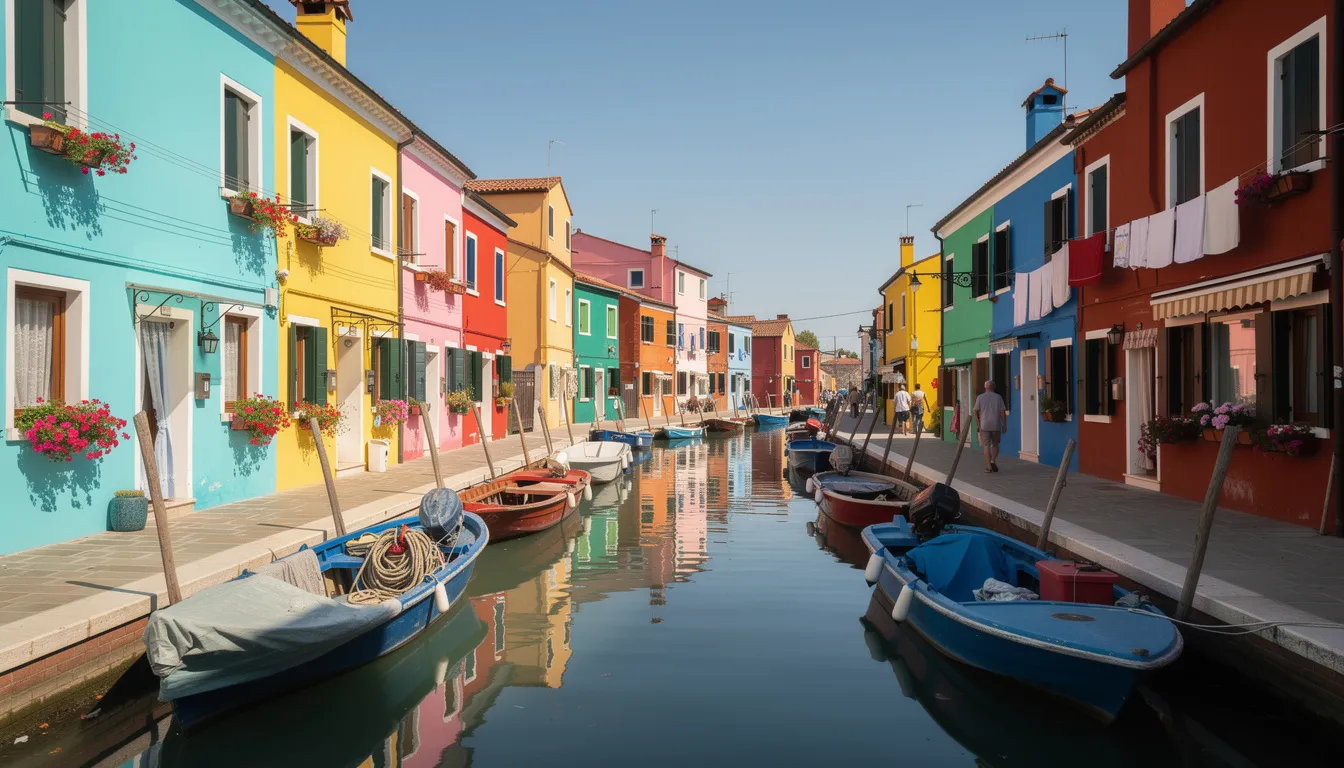
Continue by vaporetto (Line 12) to Burano, famous for its colourful houses—originally painted in bright hues so fishermen could identify their homes from the lagoon.
Wander the canals and photograph the rainbow-painted facades
The island’s traditional lace-making is less prominent today, but you can still find authentic pieces
Have lunch here—seafood restaurants offer better value than central Venice
Burano moves at a slower pace. This is your chance to breathe, photograph, and appreciate the lagoon lifestyle.
Optional: Torcello
If energy remains, catch Line 9 to Torcello (10 minutes from Burano). This sparsely populated island was actually the first area settled in the lagoon—centuries ago, it held 20,000 residents.
The Cathedral of Santa Maria Assunta contains extraordinary Byzantine mosaics, including a dramatic Last Judgment. The Devil’s Bridge and general rural calm make this a meditative escape.
Evening Return:
Return to Venice for a final dinner. On weekends, book restaurants in advance using customer reviews on Booking.com’s partner platforms or Google to avoid overpriced tourist menus. Small trattorias in Cannaregio or Castello often serve better food at lower prices than San Marco establishments.
Optional Day 4: Lido, Castello & Hidden Corners
An extra day allows for deeper exploration beyond the main attraction sites.
Morning: Lido di Venezia
Take the vaporetto to Lido for a completely different experience. This barrier island has cars, regular streets, and beaches—a “normal town” feel compared to Venice proper.
Walk or rent a bike along the seafront
Visit in summer for a beach morning (the public beaches are free, though lido stabilimenti charge for chairs/umbrellas)
The Art Deco architecture reflects the island’s glamorous past as Europe’s first beach resort
Midday: Castello & Arsenale
Return to Venice and explore Castello around the Arsenale—the former shipyards that once produced one complete warship per day, making the venetian republic a Mediterranean superpower.
If the Art or Architecture Biennale is running (odd years for Art, even years for Architecture), the Arsenale and Giardini della Biennale host major exhibitions. These events significantly impact hotel prices, so factor this into your planning.
Afternoon: Get Lost
The best good advice for a fourth day: put away Google Maps and simply wander. Venice rewards those who explore without fixed destinations.
Follow yellow street signs pointing to “Rialto,” “Accademia,” or “Ferrovia” as basic navigation aids. These keep you from becoming hopelessly lost while still allowing discovery.
Seek out local artisans:
Mask workshops in Dorsoduro
Print shops using traditional techniques
Quality glass from certified Murano producers
Buying from craftspeople rather than importing cheap souvenirs supports Venice’s fragile economy and gives you authentic memories.
Getting Around Venice Without Overspending
Transport costs can quickly inflate your Venice budget if you’re not strategic. The city is entirely car-free in the historic center—your options are walking, vaporetti, traghetti, gondolas, and water taxis.
Vaporetti (Water Buses)
The ACTV vaporetto network is Venice’s public transport backbone. Key lines include:
Line | Route | Use For |
|---|---|---|
1 | Grand Canal (all stops) | Scenic ride, reaching canal-side palazzi |
2 | Grand Canal (express) | Faster crossings |
4.1/4.2 | Circular routes via Murano | Island access |
12 | Murano–Burano–Torcello | Outer islands |
Various | Lido, Giudecca, other islands | Specific destinations |
Pricing Strategy:
Single ticket: €9.50 (valid 75 minutes)
24-hour pass: €25
48-hour pass: €35
72-hour pass: €45
7-day pass: €65
When a Pass Makes Sense:
If you’re taking 3+ vaporetto trips per day, the 24-hour pass pays for itself. Over a 3-day stay with 2–4 waterbuses daily, the 72-hour pass (€45) versus single tickets (potentially €57–114) offers significant savings.
Traghetti
These standing gondolas ferry passengers across the Grand Canal at seven points where no bridge exists nearby. Cost: €2–3 for tourists (locals often pay less). Useful near Rialto Market and Santa Maria del Giglio.
Gondolas
A gondola ride is the romantic Venice experience, but pricing is standardized:
Daytime (until 7 PM): €80 per boat for 30 minutes
Evening: €100 per boat
Key Point: Price is per boat, not per person. A gondola holds up to 6 passengers. Sharing with friends drops the per-person cost to €13–17—far more reasonable.
Water Taxis
Private water taxis cost €70–120+ depending on distance. Use them only when:
Arriving late at night with heavy luggage
Travelling as a group of 4–6 who can split costs
Mobility issues make vaporetti difficult
Otherwise, vaporetti and walking serve you better.
Accessibility Note
Venice’s 400+ bridges mostly have steps—challenging with wheeled luggage, strollers, or mobility limitations. When booking accommodation, prioritize properties near vaporetto stops to minimize bridge crossings with baggage. Booking.com’s map feature helps identify truly accessible locations.
Budgeting, Travel Insurance & Money Tips (For Estonian Travellers)
Venice sits among Italy’s more expensive destinations, but smart planning keeps costs manageable.
Daily Budget Estimates
Budget Level | Daily Cost (per person) | Includes |
|---|---|---|
Budget | €80–120 | Hostel/basic hotel, street food, limited museums |
Mid-range | €150–220 | 3-star hotel, restaurant meals, major attractions |
Comfortable | €250–350+ | 4-star hotel, fine dining, private tours |
Accommodation costs assume splitting with a partner; solo travelers pay more.
Money-Saving Tips
Timing:
Travel in shoulder seasons (April, May, late September, October) rather than July–August
Avoid Easter week and Carnevale periods when prices spike 30–50%
Tuesday through Thursday departures often cost less than weekend flights
Booking:
Compare flights 6–8 weeks ahead using flexible date calendars
Use Booking.com’s price filters and “free cancellation” option for peace of mind
Consider apartments with kitchenettes—preparing breakfast and occasional meals saves €15–25 daily
On the Ground:
Fill water bottles at public fountains (Venice’s tap water is drinkable)
Eat standing at bars (prices at tables often include a service charge)
Skip tourist-menu restaurants; follow locals to bacari
Travel Insurance
As Estonian residents, your European Health Insurance Card (EHIC) provides basic medical coverage in Italy. However, dedicated travel insurance remains essential for:
Trip cancellation/interruption coverage
Baggage loss or delay protection
Medical evacuation if needed
Coverage for activities like watersports
Compare insurance options as you would compare loans or mobile plans—focus on coverage limits and exclusions, not just the cheapest premium. A €50 policy with €10,000 medical coverage may cost more than an €80 policy with €100,000 coverage, but the difference matters if you need it.
Payments and Cash
Most Venice establishments accept cards with PIN, but carry €50–100 in cash for:
Small bacari and market vendors
Traghetti crossings
Vaporetto machines (some only accept chip cards or cash)
Tips for exceptional service
Tourist Taxes and Fees
Venice charges overnight visitors a tourist tax (€2–5/person/night). Additionally, the city has implemented a “daily access fee” for day trippers on certain peak days (weekends, holidays in high season)—typically €5. Overnight visitors with hotel bookings are exempt from the day-tripper fee.
Check the official Comune di Venezia website before your trip and factor these costs into your total budget.
Responsible & Comfortable Travel: Crowds, Rules and Safety
Venice welcomes millions of visitors annually, but this volume has consequences. Thoughtful travel benefits both you and the city.
Addressing Overtourism
Venice has taken significant steps to manage visitor impact:
Large ships (grandi navi) are now banned from passing through the Giudecca Canal near San Marco—cruise ships dock at industrial ports instead
The daily access fee discourages rushed visits from cruise ship passengers and day trippers
UNESCO has issued warnings about tourism pressure threatening Venice’s World Heritage status
Why Stay Overnight: Day trips contribute less to the local economy while adding peak-hour congestion. Staying 2–4 nights means:
Your spending supports hotels, restaurants, and shops more meaningfully
You experience Venice in quiet morning and evening hours
You reduce pressure on the midday crush
Avoiding Crowds
Time | Best Activities |
|---|---|
7–9 AM | San Marco, Rialto photography |
9 AM–5 PM | Quieter sestieri (Cannaregio, Castello), islands |
6–10 PM | Grand Canal walks, bacari, sunset spots |
Explore side streets rather than following only the main thoroughfares marked by yellow signs. Venice rewards curiosity—the best discoveries often happen when you turn away from the crowd.
Local Rules and Etiquette
Venice enforces regulations to protect its heritage:
No sitting on monuments or church steps in many areas—fines can reach €100+
No swimming in canals (seriously)
No feeding pigeons in Piazza San Marco
No dragging wheeled suitcases excessively in some residential zones during certain hours
Church dress code: Cover shoulders, no beachwear or very short clothing
Respect that Venice is a living city of mere steps between residential homes and tourist attractions. Keep voices down in narrow calli, especially early morning and late evening.
Safety
Venice is remarkably safe by European city standards. However:
Pickpockets operate in crowded vaporetti and popular queues—keep valuables secure
Don’t leave bags unattended at bars or near the train station
Watch your footing on wet marble—bridges and walkways become slippery
Weather and Acqua Alta
High water (acqua alta) affects Venice primarily from October through March. When tidal floods occur:
Warning sirens sound with distinctive patterns indicating expected water levels
Raised walkways (passerelle) appear on flooded routes
Rubber boots are sold throughout the city—locals wear them matter-of-factly
Most floods are shallow (10–30 cm) and recede within a few hours
The MOSE project—a €5.5 billion flood barrier system—has significantly reduced severe flooding since becoming operational, raising lagoon gates dozens of times annually. Global warming and rising sea levels remain long-term concerns, but the system provides meaningful protection.
Check tide forecasts before planning early-morning activities during high-water season.
Venice is a city like no other—a place where every bridge, campo, and canal tells stories stretching back centuries ago to the founding of the venetian republic. With careful planning, smart booking through Booking.com, and conscious spending habits, even budget-minded Estonian travellers can experience its magic without financial stress.
The key is approaching Venice as MoneyHub.ee readers approach financial decisions: compare your options, understand what you’re paying for, and prioritize value over just the lowest price. Book accommodation near vaporetto stops, purchase transport passes that match your plans, travel in shoulder seasons, and stay long enough to love Venice rather than merely passing through.
Start comparing flights and hotels today. Your entire life, you’ll remember the first time you stepped off a vaporetto into the maze of Venice’s canals and let yourself get wonderfully, intentionally lost.