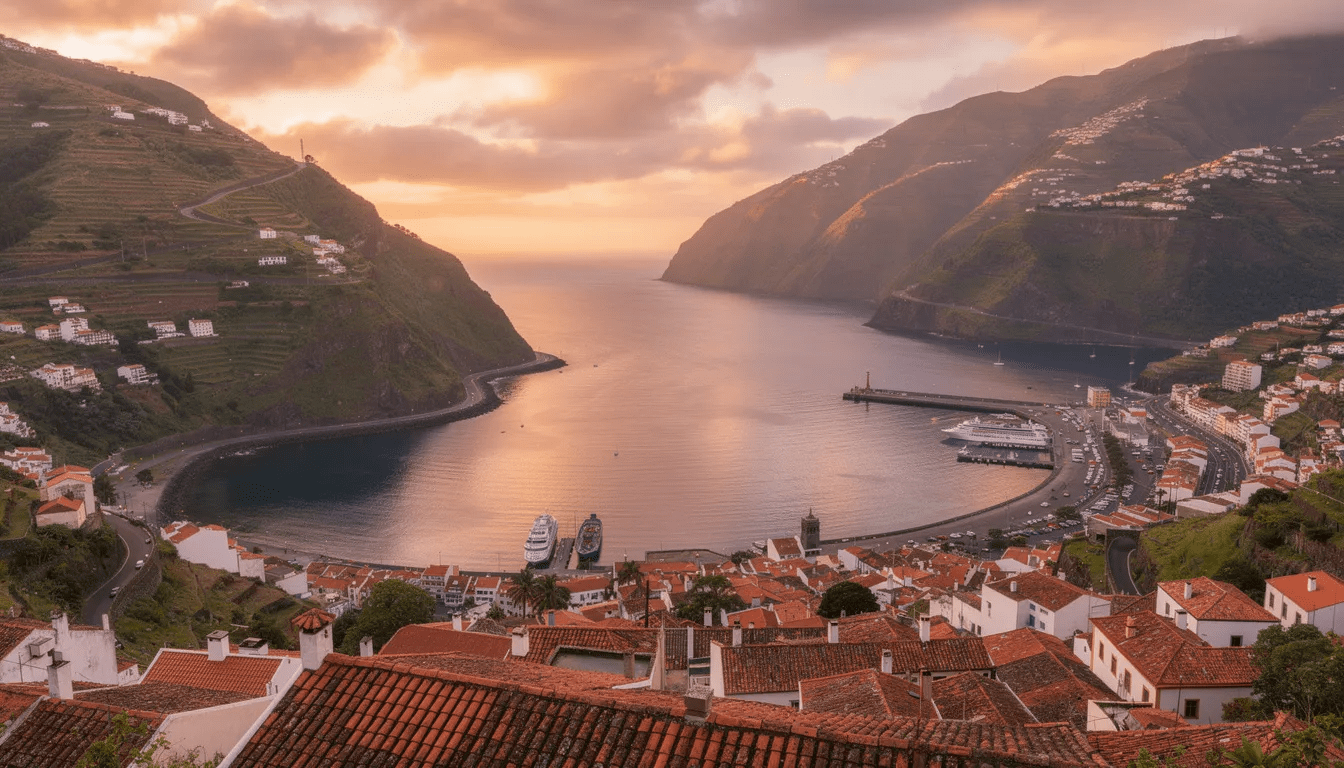
Funchal – Get some winter-sun in Madeira
Funchal is the capital of Madeira, a Portuguese island in the Atlantic Ocean, and it ranks among the best winter sun destinations for Estonians who want to escape the cold without flying halfway across the globe. You can reach it from Tallinn or Riga with one connection—or occasionally via seasonal direct flights—in about 6.5 to 7.5 hours total travel time.
What makes Funchal a perfect winter sun destination is the combination of mild weather, dramatic volcanic scenery, and European convenience. While Estonia shivers through January at -10°C with just a few hours of daylight, Funchal enjoys daytime temperatures around 18–20°C, green hillsides covered in tropical flowers, and enough sunshine to sit at an outdoor café in a light jacket.
Compared to the Canary Islands or Dubai, Funchal often comes out cheaper during the winter months, especially if you book outside school holidays and the New Year. The city is compact, walkable along the waterfront, and feels safe and relaxed—a good fit for Estonian couples, pensioners, and active travellers who prefer nature walks over beach clubs.
This article focuses on concrete, practical tips: when to go, how to find affordable flights from Tallinn and Riga, which neighbourhood suits your style, what to see and do, and how much you might realistically spend. If you’re planning a winter escape and want more inspiration than a generic travel brochure, read on.
Where Funchal is and what kind of place it is
Funchal is the capital and largest city of the Autonomous Region of Madeira, a Portuguese archipelago located in the Atlantic Ocean about 1,000 kilometres southwest of mainland Europe—roughly level with Morocco’s coast. Despite its African latitude, Madeira is fully European: part of Portugal, the EU, the Schengen zone, and the eurozone.
The city sits in a natural amphitheatre-shaped bay on Madeira’s south coast, with steep hills rising from sea level to around 1,200 metres in the mountains behind. Terraced houses, banana plantations, and levadas—Madeira’s famous irrigation channels—climb the slopes in layers. The island’s volcanic origin means black-stone architecture, dramatic cliffs, and surprisingly fertile soil that keeps everything green year-round.
Population and city character
Funchal has a population of around 106,000 in the municipality, making it compact enough to explore on foot but large enough to offer proper restaurants, museums, and services. The old town (Zona Velha) features narrow cobblestone streets and Gothic churches from the 15th century, while the harbour promenade and modern hotel zones feel more contemporary and tourist-oriented.
The vibe is relaxed and safe. In winter, you’ll notice many older European visitors—Germans, British, Scandinavians—who come for the mild climate and hiking. English is widely spoken in hotels, restaurants, and tourist areas, so communication is rarely a problem even if you don’t speak Portuguese.
Time zone advantage for remote workers
One practical detail for remote workers: Madeira is in the same time zone as mainland Portugal (UTC±0 in winter, UTC+1 in summer), which means no jetlag and easy coordination with Estonian colleagues. You’ll be just two hours behind Tallinn time in winter—close enough for video calls, far sufficient for better weather.
Weather and the best time to visit Funchal for winter sun
Madeira is nicknamed “ilha da eterna primavera”—the island of eternal spring—and for Estonians escaping -10°C and dark December days, this name delivers on its promise. The climate is genuinely mild year-round, with no extreme heat in summer and no real cold in winter.
Winter months (December–February)
During the winter months from December through February, expect daytime highs around 18–20°C and nighttime lows around 14–16°C. The sea hovers around 18–19°C—refreshing but swimmable for the brave. This isn’t a hot beach holiday, but it’s ideal for exploring on foot, sitting at terrace cafés, visiting gardens, and doing levada walks in comfortable temperatures.
November to March is the low and shoulder season, with the best value for Estonian visitors seeking affordable sun. Hotel prices drop, flights are cheaper outside Christmas week, and the island feels pleasantly uncrowded. Rain is possible—Madeira’s lush greenery needs water—but showers often pass quickly, especially on the south coast where Funchal sits.
Spring and summer seasons
April to June brings the famous Flower Festival (usually late April or early May), warmer temperatures reaching 22–24°C, and spring blooms everywhere. Prices are rising slightly, so it’s worth booking ahead.
July and August are peak summer months with temperatures around 25–27°C, the driest weather, and the highest prices. If you want to swim in the sea without a wetsuit, this is the best time—but it’s also when Funchal feels most crowded.
September and October offer warm weather (22–25°C) with gradually more rain as autumn progresses. It’s still pleasant, but the reliable winter sun returns once the autumn clouds clear.
Best value travel windows
For Estonians, the sweet spot is November through early December, or late January through March. You avoid the premium prices of Christmas and New Year while catching the reliable mild weather. The famous Funchal New Year’s Eve fireworks—one of the world’s largest displays—are incredible but push prices and crowds to yearly peaks.
What to pack
Pack light layers, a rain jacket, comfortable walking shoes for Funchal’s hills, and a warmer jumper for evenings or for visiting high viewpoints like Pico do Arieiro, where temperatures can drop to single digits even in winter.
How to get to Funchal from Estonia (Tallinn & Riga)
Estonian travellers typically reach Funchal via one connection through European hubs such as Lisbon, Frankfurt, Amsterdam, or occasionally Riga. In some winter seasons, charter operators fly directly from Tallinn, cutting travel time to around 6 hours. Check with Baltic tour operators in autumn for updated winter charter schedules.
Journey times and connections
With scheduled flights and one connection, expect total journey times of 6.5 to 7.5 hours, including a 1–3 hour layover, depending on the route. Standard airline options include:
- TAP Portugal via Lisbon (https://www.flytap.com)
- Lufthansa via Frankfurt
- KLM via Amsterdam
- airBaltic via Riga (https://www.airbaltic.com)
Realistic flight prices
Realistic fare examples: in low season (November, January–March, excluding school holidays), promotional return prices from Tallinn or Riga can drop 120–200 € if you catch a sale. During Christmas, New Year, and Estonian school holidays, returns often climb to 350–500 €. Booking 2–3 months ahead generally secures better prices than last-minute searches.
Money-saving flight tips
To find cheaper flights:
- Fly mid-week (Tuesday through Thursday typically sees lower demand)
- Be flexible with exact dates by a day or two
- Monitor airline sales in early January and late August when carriers release winter schedules
- Check Riga departures if Tallinn prices look steep—the bus ride from Tallinn is only 4–5 hours
- Subscribe to airBaltic, Wizz Air, and other Baltic carrier newsletters for winter sale alerts
About Funchal Airport
Funchal’s airport is officially named Cristiano Ronaldo Madeira International Airport (FNC), after the footballer who grew up here. The runway extends dramatically over the sea on pillars, and while it’s an engineering marvel, crosswinds occasionally cause delays or diversions. If you’re connecting on separate tickets, allow extra buffer time in case your Funchal leg is delayed.
A practical tip: use flight comparison tools like Google Flights or Skyscanner to search for flexible dates, and set price alerts for your preferred travel window. The best deals often appear 8–12 weeks before departure.
Neighbourhoods and where to stay in Funchal
Funchal stretches along the bay and up steep hillsides, so choosing the right neighbourhood affects both your daily walking effort and your proximity to the sea. Most visitors stay in three main areas, each with distinct advantages.
Zona Velha (Old Town)
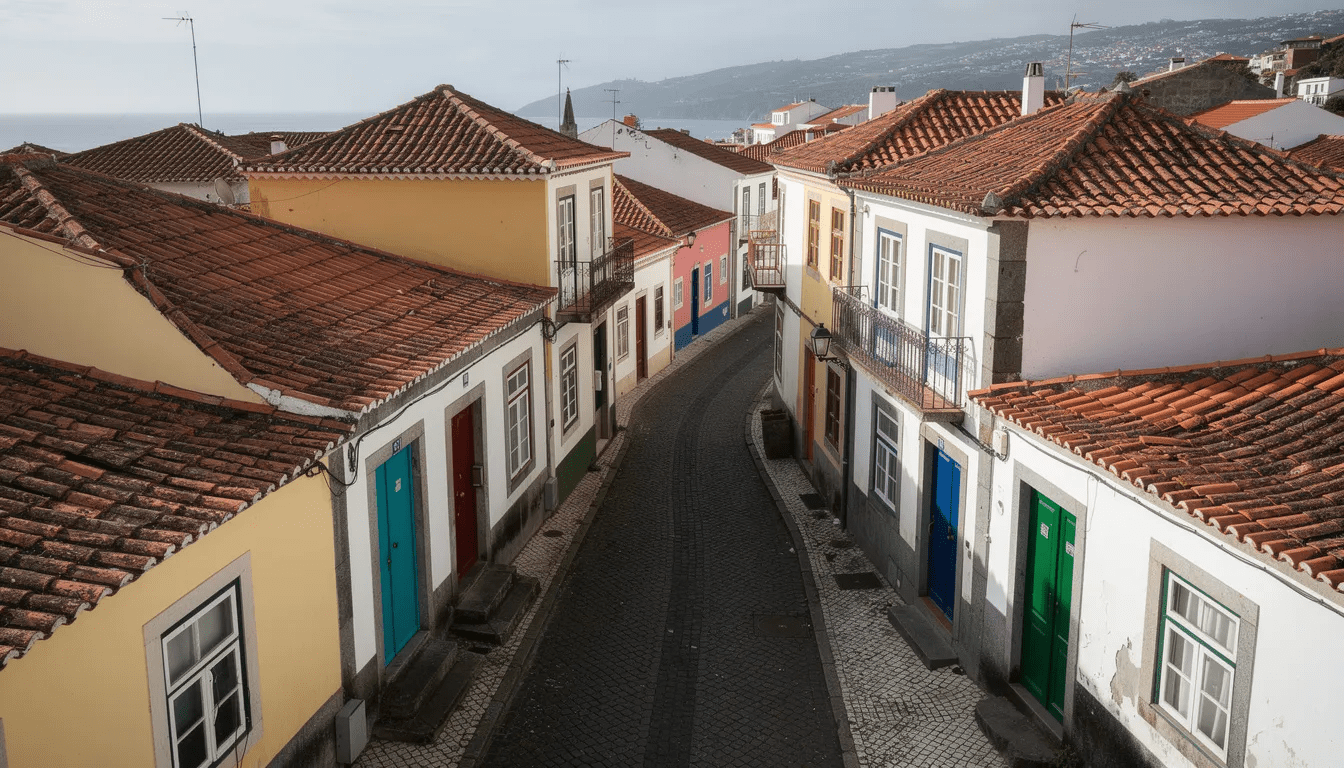
Zona Velha sits at the eastern end of the harbour, characterised by narrow cobblestone streets, the famous Rua de Santa Maria with its painted doors, and a concentration of restaurants and bars. It’s atmospheric and central, with easy walking access to the harbour, Forte de São Tiago, and the seafront promenade. The trade-off is some evening noise from restaurants and nightlife. This area suits couples and culture lovers who want to step out the door into historic streets.
Central Funchal
Central Funchal around Avenida Arriaga and the Sé Cathedral is the practical heart of the city—relatively flat by Funchal standards, close to the main bus terminal, the Mercado dos Lavradores farmers’ market, and the cable car station. First-time visitors and those without a rental car will find this convenient for transport to other parts of the island. You’re near the harbour and marina but also within easy reach of the municipal gardens.
Lido and São Martinho hotel zone
The Lido and São Martinho hotel zone lies west of the centre along a seaside promenade. This is where you’ll find larger resort hotels, aparthotels, and swimming complexes with sea pools and sun terraces. For a winter sun holiday focused on relaxation, pool access, and coastal walks, this zone works well. It’s slightly removed from the historic core but connected by regular buses and a pleasant waterfront walk.
Hillside residential areas
The residential hills above central Funchal—including Monte and São Roque—offer quieter streets, stunning views, and lower prices, but reaching the centre involves steep climbs or bus rides. If you have a rental car and don’t mind the drive, hillside accommodation can be excellent value. Otherwise, first-time visitors usually find the lower zones more practical.
Accommodation price ranges
Budget ranges for low season (November–March, excluding holidays):
- Basic hostels and guesthouses: 25–35 € per person per night
- Comfortable mid-range hotels and apartments: 60–90 € for a double room
- Four- and five-star hotels with pools and sea views: 120–180 € and up
Top things to do in Funchal in winter
Funchal is more than a beach destination—in fact, it’s arguably better in winter than summer for sightseeing. Comfortable temperatures make walking the hilly streets a pleasure rather than a sweat-soaked ordeal, and you’ll find gardens in bloom, viewpoints without crowds, and fewer queues for the main attractions.
Mercado dos Lavradores (Farmers’ Market)
Mercado dos Lavradores is essential, especially on Friday or Saturday morning when locals from across the island bring their produce. The 1940 Art Deco building houses stalls overflowing with tropical fruits—passion fruit varieties you’ve never seen, tiny sweet bananas, custard apples—plus flowers and a lower-level fish market.
Practical tip: Vendors offering free fruit tastings sometimes quote tourist prices when you try to buy. You’ll get better value buying whole fruit rather than accepting pre-cut samples.
Monte Cable Car and Tropical Garden
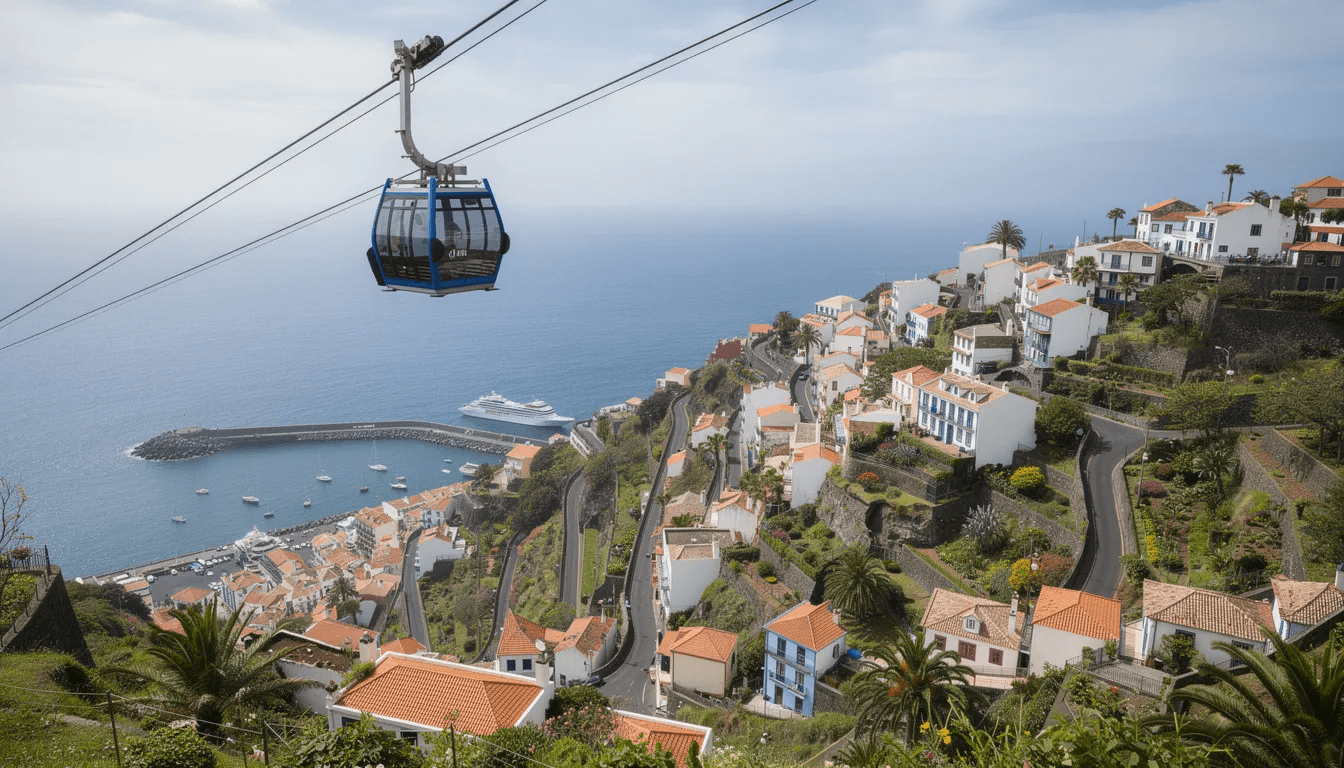
The Monte Cable Car climbs from the old town near the harbour up to the Monte district, rising over 580 metres in about 15 minutes. The views over Funchal Bay and the harbour are incredible on a clear day. At the top, visit the Monte Palace Tropical Garden, an 18th-century estate with exotic plants, water features, and panoramic viewpoints. Expect to spend several tens of euros for cable car return tickets and garden entry for two adults—it’s not cheap, but it’s one of Funchal’s signature experiences.
Monte toboggan ride
The Monte toboggan ride (carros de cesto) is a tradition dating back centuries: wicker-basket sledges pulled by two men in white clothing and straw hats who push you down steep streets for about 2 kilometres. It’s fun, photogenic, and definitely tourist-oriented. Budget travellers might skip it—you still need to walk or take a taxi back to the centre after the ride ends partway down the hill—but for many visitors, it’s a memorable highlight.
Botanical gardens and parks
Botanical gardens and parks offer green escapes within the city:
- Jardim Botânico da Madeira displays Madeira’s remarkable plant diversity on terraced hillsides with city views
- Santa Catarina Park near the harbour provides lawns, sea views, and benches—ideal for a free afternoon of relaxation
- Jardim Municipal in the centre is a dense pocket of exotic vegetation, perfect for a quick break between sightseeing
Harbour promenade and marina
Strolling the harbour and promenade costs nothing and shows you everyday Funchal life. Walk along Avenida do Mar, watch cruise ships dock, check out the marina, and stop at Praça CR7—a sunny square honouring Cristiano Ronaldo with a statue, museum, and hotel—the CR7 Museum appeals to football fans interested in the local hero’s career.
Historic churches and museums
Historic buildings worth a look include:
- Sé Cathedral (built 1485–1514), one of the few structures surviving from Madeira’s early settlement
- Igreja do Colégio, with its ornate interior
- The Sacred Art Museum holds works from the 15th to the 19th centuries, reflecting Funchal’s connections to Flemish traders during the sugar boom.
Levada and coastal walks
Levada and coastal walks accessible from Funchal round out an active visit. Even moderately fit visitors can manage easier levada routes reached by bus or guided tour. Bring proper walking shoes—paths can be narrow and slippery—and check weather conditions at higher altitudes, which can differ dramatically from sunny Funchal.
For trail information and maps, visit the official Madeira tourism site.
Day trips and nature experiences from Funchal
Funchal makes a convenient base for exploring Madeira’s dramatic interior, coastal cliffs, and traditional villages. Even in winter, most roads stay open, and organised tours run regularly. You can explore by public bus, rental car, or guided excursion.
East-island tour: Peaks and traditional villages
The classic east-island tour takes you from Funchal up to Pico do Arieiro, one of Madeira’s highest peaks at over 1,800 metres. On clear days, you’ll stand above the clouds with views stretching across jagged volcanic peaks. The air is noticeably cooler—bring layers. From there, routes typically continue to Ribeiro Frio (a good starting point for levada walks), the traditional A-frame houses of Santana, and viewpoints overlooking the wilder north coast. This loop can fill a full day and works well as an organised tour if you’d rather not drive mountain roads.
West-island route: Cliffs and lava pools
The west-island route offers different highlights:
- Câmara de Lobos – a photogenic fishing village just 10 minutes from Funchal, where Winston Churchill once painted
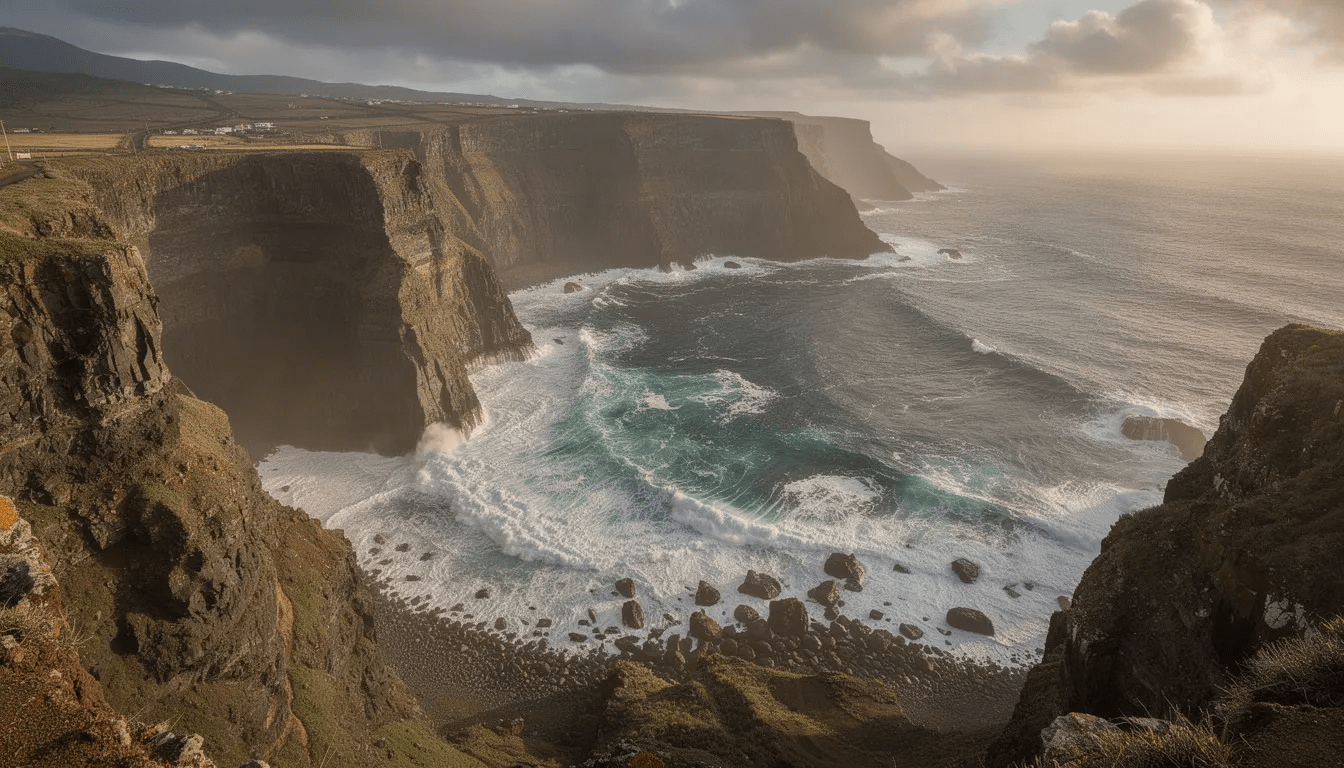
- Cabo Girão – one of Europe’s highest sea cliffs with a glass-floored skywalk extending over the 580-metre drop (not for those afraid of heights)
- Ribeira Brava and Encumeada – mountain pass giving access to the island’s central ridge
- Porto Moniz – natural lava pools at the northwest tip for swimming (weather-dependent in winter)
In winter, the Atlantic can be rough, so swimming at Porto Moniz is weather-dependent—check conditions before making it your primary goal.
Whale and dolphin watching.
Whale and dolphin watching trips depart year-round from Funchal marina—the waters around Madeira host resident dolphin populations and various whale species. Calm conditions improve your chances of good sightings. Choose operators that respect wildlife and follow responsible viewing guidelines—the marina has several reputable companies with marine biologist guides.
Porto Santo Island
Porto Santo is Madeira’s smaller sibling island, accessible by ferry (about 2.5 hours) or a short flight from Funchal. Unlike volcanic Madeira, Porto Santo has a 9-kilometre sandy beach—the only actual beach experience in the archipelago. There’s also golf and a quieter atmosphere. This is more of a separate mini-trip than a casual half-day outing; plan at least one overnight or a very early ferry departure to make it worthwhile.
Check ferry schedules here.
Car rental versus organised tours
Renting a car versus joining tours is worth considering carefully. Madeira’s roads involve narrow stretches, steep gradients, many tunnels, and drivers who know every curve by heart. For first-time visitors, organised excursions often reduce stress and provide local guides’ knowledge. If you do rent a car, choose a day with good weather, take your time, and be confident when driving in the mountains. Public buses reach many attractions but run on limited schedules—check times before planning independent day trips.
Sample one-day itinerary
A sample one-day East Island itinerary: depart Funchal by 9 am, drive or tour to Pico do Arieiro (dress warmly), continue to Ribeiro Frio for a short levada walk, lunch in Santana, return via the north coast viewpoints, and be back in Funchal by late afternoon for dinner.
Food, drink and prices in Funchal
Madeiran cuisine reflects the island’s Portuguese heritage, Atlantic location, and subtropical agriculture. For Estonian visitors, prices for eating out are generally lower than in Tallinn—expect to spend 10–30% less on comparable restaurant meals, though slightly higher than in mainland Portugal.
Signature Madeiran dishes
Signature dishes to try:
- Espada (black scabbardfish) is usually served with banana, an unusual combination that works surprisingly well
- Espetada – beef skewers grilled over laurel wood fire, traditionally hung on a stand at your table
- Bolo do caco – the local flatbread, warm and slathered with garlic butter, served as an appetiser or with meals
- Caldo verde (kale soup) or açorda (bread-based soup) – especially welcome on cooler evenings
Desserts and tropical fruits
Desserts and snacks worth seeking out include passion fruit pudding, queijadas (miniature cheesecakes from various villages), and the tropical fruits sold at supermarkets—far cheaper than restaurant fruit platters. Buy a selection of maracujá (passion fruit), bananas, and custard apples for budget-friendly snacking in your accommodation.
Local drinks
Local drinks define the Madeira experience:
- Poncha – the island’s famous cocktail: sugar cane rum mixed with lemon or orange juice and honey. It tastes deceptively light but packs a punch—treat it with respect
- Madeira wine – ranges from dry (sercial) to sweet (malmsey/malvasia) and makes an excellent souvenir or evening sipper
- Coral – the local beer, light and refreshing
Restaurant price ranges
Price ranges for everyday eating:
- Café espresso: 1 €
- Pastel or snack: under 2€
- Prato do dia (daily special) lunch: 10–15 €
- Standard dinner for two with drinks: 30–50 € (depending on restaurant choice and wine selection)
Tourist hotspots along the harbour and Rua de Santa Maria tend toward the higher end; walking a few streets inland often reveals better value.
Budget-conscious dining strategy
Budget-conscious Estonians can save by:
- Shopping at supermarket chains like Pingo Doce or Continente for breakfast supplies and picnic items
- Eating the daily lunch special at local restaurants
- Reserving evening dining for one or two special meals rather than every night
Practical tips for Estonian travellers
Travel documents and EU benefits
Madeira is part of Portugal and the EU, meaning Estonian citizens travel freely with an ID card or passport. No visa required, no travel insurance required beyond your European Health Insurance Card, and your Estonian mobile plan’s EU roaming applies—no extra cost for calls, texts, and data, just like at home.
Currency and payments
The currency is the euro, so no exchange is needed. Card payments are widely accepted, including contactless, and ATMs are easy to find in Funchal. Carry small cash (under 20€) for local buses, small cafés, and market purchases where cards might not work.
Airport transfers
Getting from the airport to Funchal takes about 20–30 minutes by road. The Aerobus is the cheapest option—several euros for a one-way trip to the hotel zones. Regular city buses also run the route. Taxis cost more but remain reasonable compared to Northern European standards, and pre-booked private transfers offer convenience for late arrivals. If your hotel is in the Lido zone or the old town, you won’t need a car on arrival day.
Local transport
Local transport within Funchal relies on city buses that cover the centre, hotel zones, and hillside suburbs. For day trips to other parts of the island, intercity buses run to major towns, but schedules can be limited. Renting a car makes sense if you want flexibility and feel confident on mountain roads; otherwise, organised tours handle logistics for popular routes. Parking in central Funchal is often limited and paid—check whether your hotel offers parking if you’re driving.
Safety and practical challenges
Safety in Funchal is generally excellent. Petty crime exists in any tourist city, so keep valuables secure in crowds and don’t leave bags unattended. The bigger practical challenge is the terrain: steep hills and cobblestone streets can be slippery when wet. Wear proper footwear—not flip-flops—and allow extra time if you have mobility concerns. Moderate fitness helps to enjoy Funchal’s walkable centre without exhaustion.
Language tips
A few words of Portuguese go a long way:
- “Obrigado/obrigada” (thank you, male/female speaker)
- “Bom dia” (good morning)
- “Uma bica, por favor” (an espresso, please)
Locals appreciate the effort even though English works fine in tourist areas.
Tipping culture
Tipping isn’t obligatory, but rounding up small bills or leaving 5–10% in restaurants for good service is appreciated. The overall atmosphere is quiet and relaxed—you won’t find party-island chaos here.
Costs and how to keep your Funchal trip affordable
Madeira sits in the middle of the travel price spectrum: more expensive than very cheap sun destinations like Turkey or Egypt, but often better value and more authentically European than many package resorts. For Estonians seeking quality without overspending, winter is the smart time to visit.
Realistic one-week budget
A realistic one-week budget for two travellers in low or shoulder season might look like this:
- Flights: 150–250 € per person (booked in advance during a sale)
- Accommodation: 60–80 € per night (420–560 € for seven nights)
- Food and drinks: 50–70 € daily for two eating modestly
- Local transport and one organised day tour: 100–150 €
- Miscellaneous entrance fees: 50–80 €
Total: roughly 950–1,400 € per person for a week, with significant variation depending on accommodation choices and dining habits.
Money-saving strategies
Money-saving strategies that work:
- Travel in November through early December or late January through March to avoid holiday premiums
- Book flights during Baltic airline sales—January and late August typically bring winter schedule promotions
- Choose an apartment with a kitchen to prepare some meals yourself, especially breakfast
- Combine paid excursions with free walking days—Funchal’s harbour promenade, parks, and old town streets cost nothing to explore
- Use public buses to reach many levada walk starting points and coastal towns, saving on organised tour costs (if you’re comfortable navigating schedules)
- Visit free viewpoints like Pico dos Barcelos above Funchal and the many miradouros along the coast.
- Pack a supermarket picnic for day trips instead of eating at tourist restaurants.
Value comparison with other destinations
Compared to other winter sun options popular with Estonians, Funchal holds its own:
- Gran Canaria offers similar mild temperatures and is sometimes cheaper for package deals, but Madeira’s nature feels wilder and less resort-oriented
- Dubai and Thailand involve longer flights, potential visa logistics, and higher on-the-ground costs despite promotional airfares.
- Málaga, on the Spanish coast, competes on accessibility but can feel crowded.
Funchal’s combination of EU convenience, distinct landscape, and moderate prices makes it a strong contender for the value-conscious traveller.
Is Funchal the right winter destination for you?
Funchal suits Estonian travellers who want to escape the cold, walk in green landscapes, explore gardens and viewpoints, and enjoy café culture with mild temperatures—all without the complexity of long-haul travel. Active travellers, nature lovers, couples seeking a relaxed city break, older visitors appreciating safe, accessible tourism, and remote workers seeking better weather without jet lag all find that Funchal delivers.
What Funchal is NOT
This is not the destination if you need sandy beaches and guaranteed hot sea swimming in winter. Funchal’s waterfront features promenades, marinas, and swimming pools rather than wide sand. The Atlantic at 18°C requires enthusiasm or a wetsuit. If beach time is your priority, consider the Canary Islands or wait for Madeiran summer.
Advantages for Estonians specifically
For Estonians specifically, the advantages stack up well:
- Affordable off-season flights from Tallinn and Riga
- EU comfort with no currency exchange or roaming charges
- A safe environment
- Substantially more daylight than at home
When Estonian January offers 6–7 hours of grey light, Funchal provides 10–11 hours with actual sunshine on many days. Even on cloudier days, the temperature stays pleasant for walking and exploring.
Final comparison
Compare Funchal with your other options. Gran Canaria brings more traditional resort infrastructure. Málaga offers tapas and city life. Dubai dazzles with luxury and long-haul glamour. Each has appeal. But Madeira’s combination of mountains, levadas, Atlantic views, and European ease creates something distinctive—a winter escape that feels like genuine travel rather than just lying by a pool.
Ready to plan your trip?
Ready to consider Funchal for your next winter trip? Start by checking flight deals from Tallinn and Riga for your preferred dates—the best prices often appear 8–12 weeks before departure or during January sales. Plan at least 5–7 days to fully enjoy Funchal’s sights and squeeze in one or two day trips to the island’s dramatic interior. Your body will thank you for trading Estonian frost for Madeiran spring.
Useful planning resources
- Official Madeira Tourism: https://www.visitmadeira.com
- Funchal City Tourism: https://www.visitfunchal.pt
- Flight search: https://www.google.com/flights or https://www.skyscanner.com
- Public transport: https://www.horariosdofunchal.pt