You can avoid credit card overspending by tracking your spending, only making purchases that you can afford and resisting the urge to overspend for rewards.
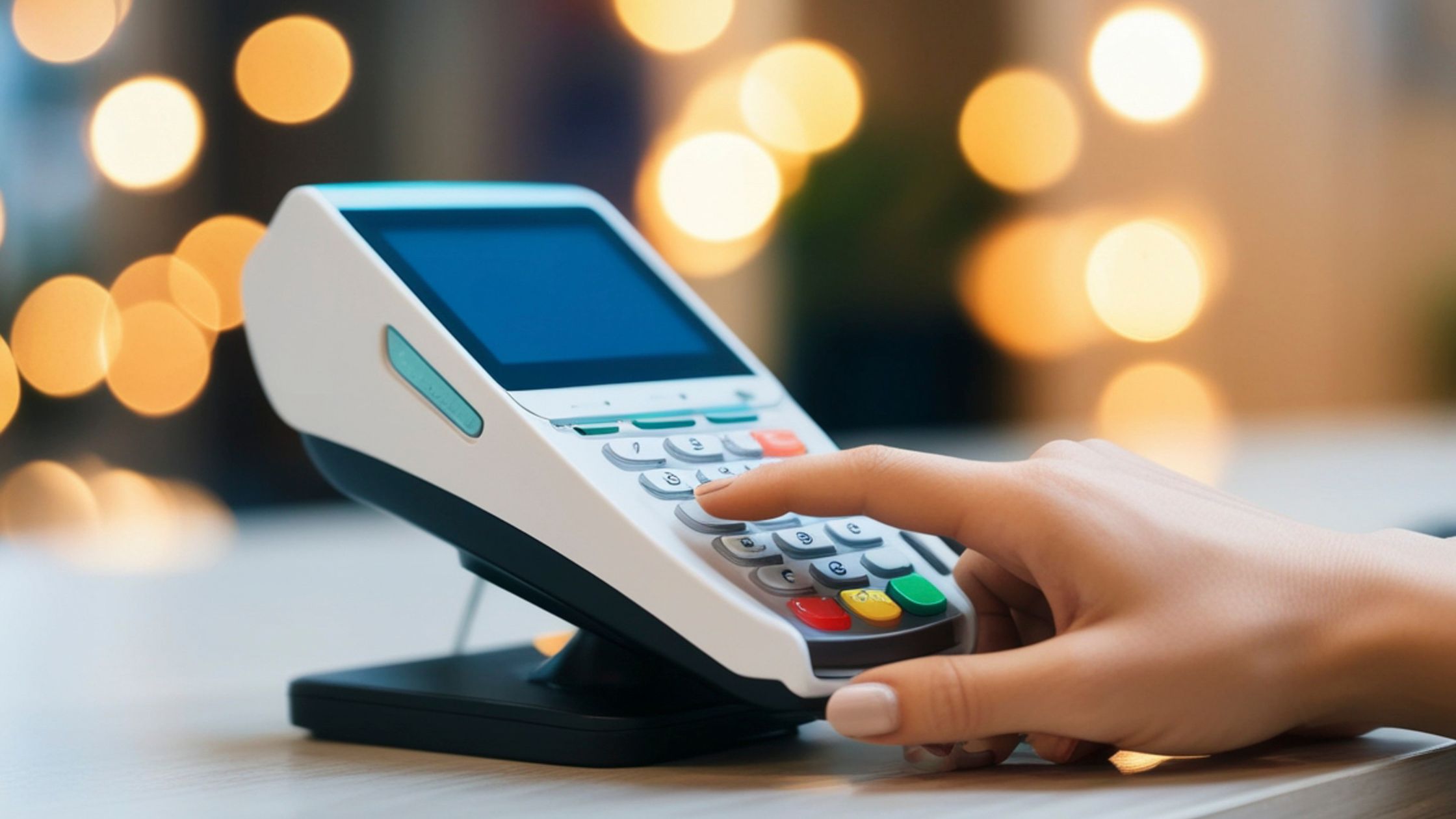
How to avoid credit card overspending in Estonia
Overspending on a credit card can put a strain on your budget and potentially damage your credit score. You can avoid overspending by tracking your spending, only making purchases that you can pay off, and resisting the urge to overspend for rewards.
If you’re already dealing with the consequences of overspending, it’s important to limit or even stop new purchases whilst you tackle your credit card debt.
Here are four ways to curb credit card overspending.
1. Only spend what you can afford to pay off today
A good way to avoid credit card overspending is to essentially treat your credit card purchases the same way you would treat purchases made with a debit card or cash: Make a purchase only if you have enough cash in your bank account today to pay it off.
You don’t necessarily need to pay it off as soon as the transaction posts, but make sure you have enough in your current account to cover your credit card payment and any other bills and obligations you may have during the month. With many internet banks in Estonia offering real-time transaction monitoring through their mobile banking apps, you can easily track your spending and ensure you’re staying within your limits.
If you’re able to make more than one credit card payment a month, that has the double benefit of keeping your spending on track and potentially helping your credit score. This approach is particularly useful if you hold a gold credit card with higher credit limits, as it prevents the accumulation of large balances that could become difficult to manage.
Understanding your card details, including your interest rate, annual percentage rate, and any service fees or monthly fees, is crucial when managing credit card payments. Estonian credit card holders should be especially mindful of these costs, as they can significantly impact your overall financial health.
2. Create a budget to guide your spending
A budget can get you to think more about how and where you spend your money so you can understand what changes you might make to better reach your financial goals.
You can start creating your budget by calculating your monthly net income and expenses over the past few months. Then, categorise each transaction so you have an idea of how you spend your money, and set goals for the month based on how you’d like to manage your money for that time period. Make adjustments each month until you perfect the process.
There are several different types of budgets you can try, from the traditional 50/30/20 method to more detailed tracking systems. Which one works best for you will depend on which one you’re most likely to stick with. Many internet banks in Estonia now offer built-in budgeting features that automatically categorise your transactions and help you monitor your spending patterns.
It can take several calendar years to fully master budgeting, but following a budget can make it a lot easier to work toward your financial goals—and it can help you avoid spending money on things you don’t need. Setting aside funds for essential items whilst limiting discretionary spending on non-essential purchases is key to maintaining financial balance.
Talking about money with your partner can also strengthen your budgeting efforts, especially if you share a current account or have joint financial obligations. Open communication about spending habits, credit limits, and financial goals helps ensure both family members are working towards the same objectives.
3. Don’t get carried away with rewards or discounts
Credit cards offer rewards such as cash back, points, or travel miles to encourage you to use your card. Whilst these benefits are appealing and can provide value—particularly with premium cards like a gold credit card or gold debit card—overspending typically results in interest charges, which may completely neutralise any value you get for the rewards.
Many Estonian credit cards now offer attractive benefits, including travel insurance, purchase insurance, insurance cover, and even medical assistance for the insured person and family members travelling abroad. Some premium cards also provide rental car insurance, flight delay compensation, and trip cancellation protection for the whole family. However, these benefits should never justify unnecessary spending.
As such, try to use your card to only buy things that you would’ve bought with or without the card’s benefits. Be mindful of the interest-free period offered by your card—most Estonian credit cards provide an interest-free period of 30 to 55 days, depending on your purchase date and payment cycle.
It’s especially important to avoid overspending when you’re trying to earn a credit card sign-up bonus, since you may have to spend thousands of euros to be eligible for the bonus. If you don’t already spend enough with your normal expenses to meet the minimum spending requirement for a bonus, don’t apply for the card. Instead, compare the best credit cards in Estonia to find one that suits your actual spending patterns.
When using your credit card for online shopping or at an online store, be particularly cautious. The convenience of contactless payments and one-click purchases can lead to impulsive buying. Always verify the security features of websites before entering your card number or card’s pin code, and monitor your card data regularly for any fraudulent transactions.
4. Limit your spending power
Having multiple credit cards can be beneficial for a variety of reasons, but if having that much available credit proves to be tempting, it may be best to stick to just one card. You may also consider asking for a lower credit limit so you wouldn’t be able to overspend if you tried.
Many Estonian banks allow you to adjust your credit limit through their mobile banking platforms or by contacting customer service. Some even offer the option to set a maximum amount for certain transaction types, such as cash withdrawals at the bank’s ATM or purchases made in foreign currencies.
Keep in mind that having just one or two credit cards with low credit limits could cause problems with your credit score. Your credit utilisation—the percentage of your available credit that you’re using at a given time—is an important factor in your credit rating. The lower your utilisation is, the better, so keep that in mind as you consider limiting your spending power.
If you’re considering additional cards, think carefully about whether you need another credit card or if a debit card would serve your purposes better. A debit card linked to your current account can provide similar convenience for online shopping and contactless payments whilst eliminating the risk of accumulating debt.
Understanding credit card fees and charges in Estonia
Estonian credit card holders should be thoroughly familiar with the various fees associated with their cards. Beyond the interest rate and annual percentage rate, many cards charge monthly fees or annual card maintenance fees, service fees for special requests, cash withdrawal fees at ATMs (particularly at other banks’ machines), charge conversion fees when making purchases in foreign currencies, and late payment fees if you miss your payment date.
Some premium cards, whilst offering benefits like travel insurance and purchase insurance, may have higher monthly fees. Evaluate whether the benefits justify these costs based on your actual usage. Understanding the interest-free period is crucial—most Estonian credit cards offer 30 to 55 days from the purchase date, but the exact calculation varies by bank.
Insurance benefits on Estonian credit cards
Many credit cards in Estonia include valuable insurance cover as part of their benefits package, including travel insurance for trips booked using the card, purchase insurance protecting items bought with the card, rental car insurance when hiring vehicles abroad, medical assistance for the insured person and family members, and flight delay and trip cancellation coverage.
However, insurance cover often comes with sample conditions and limitations. Always read the fine print to understand what’s covered and what’s excluded. For instance, some travel insurance policies only cover family members travelling together, whilst others extend to the insured event regardless of whether the whole family is present.
What to do if you overspend on your credit card
Whilst it’s important to take steps to avoid overspending, mistakes can happen. If you’ve taken on more credit card debt than you can handle, the first step is to limit or even stop making new purchases with these cards. That way, you’re not adding more debt as you try to pay it off. If you can, stick to cash or a debit card for the time being.
Emotional spending is a common trigger for credit card overspending. Recognising whether you’re an emotional spender—someone who makes purchases to cope with stress, boredom, or other feelings—is crucial for breaking the cycle of overspending.
Second, create a debt payoff plan. This can include payoff strategies like the debt avalanche or debt snowball method. As you work to pay down your credit card debt, you can start implementing some of the steps above to avoid adding more in the future.
Debt avalanche vs. debt snowball: which is right for you?
When facing multiple debts, including credit card balances, personal loans, and other financial obligations, choosing the right repayment strategy is essential.
The debt avalanche method focuses on paying off debts with the highest interest rates first. This approach saves you the most money on interest charges over time. For Estonian credit card holders dealing with high-interest credit card debt (often 15-25% APR), this method can result in significant savings.
The debt snowball method, on the other hand, prioritises paying off your smallest balances first, regardless of interest rate. This strategy provides quick psychological wins that can keep you motivated. Seeing smaller debts disappear from your list can provide the encouragement needed to stick with your debt repayment plan.
Both methods require you to continue making minimum payments on all your debts whilst putting extra money towards one target debt. Once that debt is paid off, you apply its payment to the next debt, creating a “snowball” or “avalanche” effect.
If you owe money on multiple credit cards with similar interest rates, you might also consider whether to tackle credit card or loan debt first. Generally, debts with higher interest rates should be prioritised, but other factors may influence your decision.
Debt consolidation options in Estonia
If managing multiple credit card payments becomes overwhelming, debt consolidation may be a suitable solution. This involves combining several debts into a single loan, ideally with a lower interest rate and more manageable monthly payment.
Estonian banks and financial institutions offer various consolidation options, including personal loans specifically designed for debt consolidation, balance transfer credit cards with promotional low or zero interest rates for a limited period, and home equity loans (if you’re a property owner).
Before pursuing consolidation, carefully review all loan conditions, including the annual percentage rate, loan term, any fees, and whether there are penalties for early repayment.
How debt impacts relationships
Credit card debt doesn’t just affect your finances—it can strain your relationships as well. How debt impacts relationships is a topic many Estonian families face, particularly when financial stress creates tension between partners or family members.
Open, honest communication about money is essential. If you’re struggling with credit card overspending, sharing this challenge with your partner or family members can lead to collaborative solutions. For those in relationships where one partner is an emotional spender, establishing clear boundaries and financial rules can help, such as agreeing on spending limits for discretionary purchases or reviewing card statements together monthly.
Practical tips for Estonian credit card holders
Monitor your transactions regularly
Most Estonian internet banks offer excellent mobile banking apps that allow you to monitor transactions in real-time. Set up notifications for every purchase so you’re immediately aware of your spending. Review your statements monthly—not just for budgeting purposes, but also to catch any unauthorised transactions or errors.
Understand your payment cycle
Know exactly when your payment is due each month. Missing a payment date can result in late fees and interest charges that quickly add up. Consider setting up automatic payments for at least the minimum amount to avoid accidental late payments, then manually pay any additional amount you can afford.
Maximise your interest-free period
To get the most from your interest-free period, make large purchases just after your statement date rather than just before. This can give you nearly two months to pay off the purchase without incurring interest. However, only do this for purchases you’ve already budgeted for.
Be strategic about cash withdrawals
Withdrawing cash from a credit card typically incurs immediate fees and interest, with no interest-free period. The interest rate for cash transactions is often higher than for purchases. Whenever possible, use your debit card or withdraw cash directly from your current account rather than your credit card.
Practice off-season shopping
Shopping off-season can help you make significant savings, reducing the temptation to overspend on your credit card. By planning major purchases for times when items are discounted—such as buying winter clothing in summer or holiday decorations in January—you can stretch your budget further whilst maximising the benefits of your interest-free period.
Seasonal spending challenges in Estonia
Estonian families often face particular spending pressures during certain times of the year. Understanding these patterns can help you prepare and avoid credit card overspending.
The Christmas period can be especially challenging. Christmas budget and traditions in Estonia highlights how important advance planning is for managing holiday expenses. Check out these top holiday savings tips to help you stretch your budget further—Start saving in advance even setting aside €50 per month from January can give you €600 by December for gifts, decorations, and holiday meals.
Summer travel is another period when credit card spending can spiral. Whilst your card’s travel insurance might cover certain aspects of your trip, the actual cost of flights, accommodation, and activities can quickly exceed your budget. Book travel well in advance when possible, as prices are typically lower.
For families with children, the back-to-school period brings significant expenses—new clothing, school supplies, books, and potentially electronics. Planning these purchases throughout the year rather than all at once can ease the financial burden and reduce reliance on credit.
Building better financial habits
Avoiding credit card overspending isn’t just about restrictive budgeting—it’s about developing healthier financial habits that serve you long-term.
Just as you’d visit a doctor for a health check, your finances benefit from regular reviews. Performing a finance health check helps you assess your overall financial situation, identify areas for improvement, and celebrate progress you’ve made. During a finance health check, review your total debt across all credit cards and loans, your credit utilisation across all cards, whether you’re making progress towards financial goals, your emergency fund status, and whether your current credit cards still suit your needs.
Understanding your spending triggers is equally important. Emotional spending is often driven by specific triggers—stress, boredom, social pressure, or even positive emotions like celebration. Keep a spending journal for a month, noting not just what you bought but how you felt when making each purchase. Once you identify these triggers, you can develop strategies to address them, such as imposing a 24-hour “cooling off” period for non-essential purchases or deleting shopping apps from your phone.
Having clear financial goals provides motivation to avoid overspending. Setting New Year financial goals isn’t just an annual exercise—it’s about creating a vision for your financial future that guides daily decisions. When tempted to make an impulsive purchase, ask yourself: “Does this bring me closer to my goals or further away?”
When to seek professional help
Sometimes, despite your best efforts, credit card debt becomes overwhelming. If you’re only able to make minimum payments and your debt isn’t decreasing, you’re using one credit card to pay off another, or debt is causing significant stress, it may be time to seek professional assistance.
Several resources are available in Estonia for those struggling with debt, including financial counselling services offered by some banks, independent debt advisors who can help negotiate with creditors, and non-profit organisations that provide free financial advice. Remember that seeking help is a sign of strength, not weakness.
Understand how your spending affects your credit
Whether you’re trying to avoid overspending on your credit cards or working to pay down some debt, it’s important to understand the correlation between your spending habits and your credit score. Your credit utilisation—the percentage of your available credit that you’re using—is one of the most significant factors in credit scoring.
Ideally, keep your utilisation below 30% across all cards, and below 10% if possible. For example, if your credit card has a €3,000 limit, try to keep the balance below €900, and preferably below €300. High credit utilisation signals to lenders that you may be overextended financially, which can result in loan applications being rejected, higher interest rates on approved loans, and difficulty securing a mortgage.
Moving forward: creating a sustainable relationship with credit
Credit cards are powerful financial tools that, when used responsibly, offer convenience, protection through insurance benefits, and even rewards that add value to your spending. The key is ensuring they enhance your financial life rather than undermine it.
By implementing the strategies outlined in this article—spending only what you can afford to pay off, creating and following a budget, resisting the lure of rewards-driven overspending, and limiting your access to credit if needed—you can harness the benefits of credit cards whilst avoiding the pitfalls of debt.
Remember that changing financial habits takes time. Be patient with yourself when you make mistakes, but remain committed to your goals. Each month that you successfully avoid overspending, each debt you pay off, and each time you resist an impulsive purchase, you’re building a stronger financial foundation.